An in-depth look at the Top 10 Italian Fashion Brands that define luxury, craftsmanship, and global style.
Key Takeaways
- Italian fashion brands like Gucci, Prada, and Versace lead global luxury and innovation.
- Milan Fashion Week has been pivotal in elevating Italian designers to worldwide recognition.
- Each brand blends traditional Italian craftsmanship with bold, contemporary design approaches.
- Sustainability and ethical practices are increasingly shaping the future of Italian fashion.
Reviewing the top 10 Italian fashion brands: Italy’s influence on the global fashion industry is undeniable. Renowned for its impeccable craftsmanship, innovative designs, and luxurious materials, Italian fashion has set standards of excellence that many strive to emulate. From haute couture to ready-to-wear collections, the names of Italian designers echo through the halls of fashion history, shaping trends and defining elegance.
In this overview, we delve into the top 10 best Italian fashion brands that have left an indelible mark on the global markets. These Italian brands not only reflect the country’s rich cultural heritage but also its forward-thinking approach to fashion. Italian brands have consistently brought a fusion of traditional techniques and modern aesthetics, making them synonymous with style, quality, and luxury.
Next, we introduce you to these iconic names, each with its unique story and contribution to the ever-evolving world of fashion. Let’s explore how these best Italian fashion brands have helped Italy maintain its coveted status as a powerhouse in the fashion industry.
The Rise Of Italian Fashion In The Global Industry:

Italian fashion’s roots can be traced back centuries, where the country’s artisans were revered for their exceptional tailoring, exquisite fabric production, and ornate designs. During the Renaissance period, Italian nobility were among the best-dressed in Europe, often commissioning custom garments that showcased the country’s rich textiles. This era laid the foundation for Italy’s future dominance in the fashion world. Today, best Italian clothing brands like Gucci, Prada, and Versace continue to lead the industry with their innovative designs and timeless elegance.
Key Milestones In The Development Of Italian Fashion Brands
The 1950s marked a significant turning point for Italian fashion on the global stage. Following World War II, Italy was keen to revitalize its economy and cultural image. Designers like Salvatore Ferragamo and Gucci, prominent Italian clothing brands, began to gain international acclaim during this time. The “Sala Bianca” fashion shows, held in Florence’s Palazzo Pitti in the early 1950s, played a crucial role in introducing Italian fashion to international buyers and press.
The 1970s and 1980s witnessed the rise of ready-to-wear collections that appealed to a broader audience, with Italian clothing brands like Armani, Versace, and Dolce & Gabbana emerging as global powerhouses. These labels combined sleek, modern aesthetics with Italian craftsmanship, capturing the spirit of the times and setting new trends.
The Role Of Italian Designers In Shaping The Fashion Industry
Italian designers are celebrated not only for their creative vision but also for their ability to transform the fashion industry. Italian fashion designer Giorgio Armani revolutionized menswear with his unstructured, relaxed suits that became synonymous with power dressing in the 1980s. Gianni Versace brought a new level of opulence and boldness with his vibrant prints and unabashed glamour. British designer brands creations have also made significant contributions to the fashion world.
These trailblazers, along with many others, have continually pushed the boundaries of fashion, blending tradition with innovation. Their influence extends beyond clothing to lifestyle, creating a culture of elegance and sophistication that permeates modern fashion. Today, Italian fashion designer creations and Italian brands are a testament to the country’s unwavering dedication to quality, creativity, and timeless style. Italian brands continue to set the standard for excellence in the global fashion scene.
The Legacy Of Milan Fashion Week:
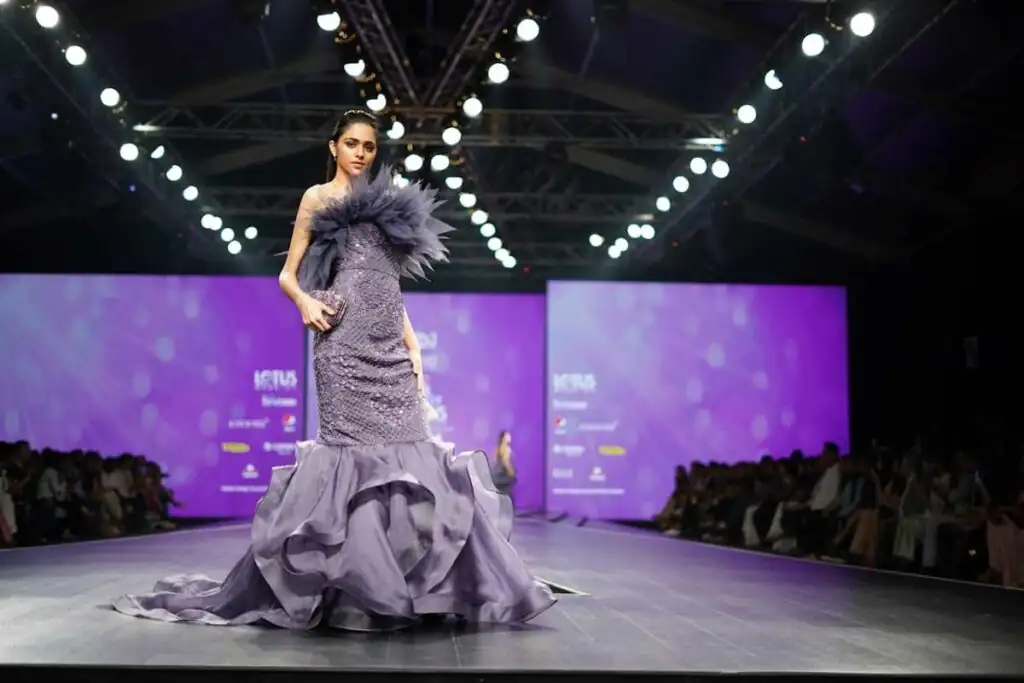
Milan Fashion Week holds a pivotal place in the global fashion calendar, renowned for its grandeur and the elite designers it attracts. Established in 1958, it has grown to become one of the “Big Four” fashion weeks, alongside Paris, London, and New York. Milan Fashion Week is not merely a showcase but a celebration of Italian artistry, innovation, and iconic Italian brands, drawing fashion enthusiasts, journalists, and buyers from around the globe.
The significance of Milan Fashion Week extends beyond the glamorous runways and star-studded events. It has played an instrumental role in elevating Italian designers and Italian clothing brands, providing them with an international platform to present their collections. The event has been a launchpad for many Italian designers, propelling names like Prada, Fendi, and Moschino to worldwide acclaim. It is during Milan Fashion Week that the world gets a first glimpse of the latest trends, marrying avant-garde designs with timeless elegance and distinct Italian style that defines Italian fashion.
Giorgio Armani:
Giorgio Armani, born on July 11, 1934, in Piacenza, Italy, has become one of the most influential designers in the fashion industry. After initially pursuing a career in medicine, Armani’s path took a dramatic turn when he began working as a window dresser at La Rinascente, a prestigious Milanese department store. His profound understanding of aesthetics and burgeoning talent quickly set him on a trajectory toward fashion greatness. By 1975, with the encouragement of his friend and business partner Sergio Galeotti, Armani founded his own company, Giorgio Armani S.p.A. From its inception, the luxury brand was synonymous with impeccable craftsmanship, timeless style, and understated sophistication, making it one of the leading Italian brands.
Signature Styles And Contributions To The Italian Fashion Industry
Giorgio Armani revolutionized menswear with his introduction of the unstructured suit, which did away with the rigid padding that characterized traditional suits. This innovation offered a relaxed yet elegant silhouette, forever altering the landscape of men’s fashion. His minimalist approach extended to women’s wear as well, pioneering the power suit for women in the 1980s—a look that exuded professionalism and grace. Armani’s collections, including those under the Emporio Armani brand, have always celebrated simplicity, a neutral palette, and luxurious fabrics, encapsulating the essence of Italian elegance. Italian brands like Armani have had a significant impact on fashion. Beyond clothing, best Italian brands like Armani’s influence span accessories, fragrances, and home interiors, reflecting his holistic vision of modern elegance.
Importance Of Armani Jeans And Armani Exchange
Armani Jeans, launched in 1981, and Armani Exchange, introduced in 1991, are pivotal extensions of the Giorgio Armani brand, designed to reach a younger, trend-conscious audience. Armani Jeans combines the designer’s sophisticated aesthetic with casual denim, making high fashion accessible in an everyday context. The line features innovative cuts and unique washes, embodying both comfort and style. Armani Exchange, on the other hand, captures the urban spirit with a more contemporary edge. Its collections present a fusion of streetwear and chic design, expanding Armani’s reach globally. Both labels have significantly contributed to the democratization of luxury fashion, ensuring that Giorgio Armani’s influence pervades multiple segments of the market, all while showcasing authentic Italian style. Emporio Armani continues this legacy, blending luxury with wearability. Emporio Armani exemplifies the brand’s commitment to high-quality, stylish designs that appeal to a diverse audience.
Prada:
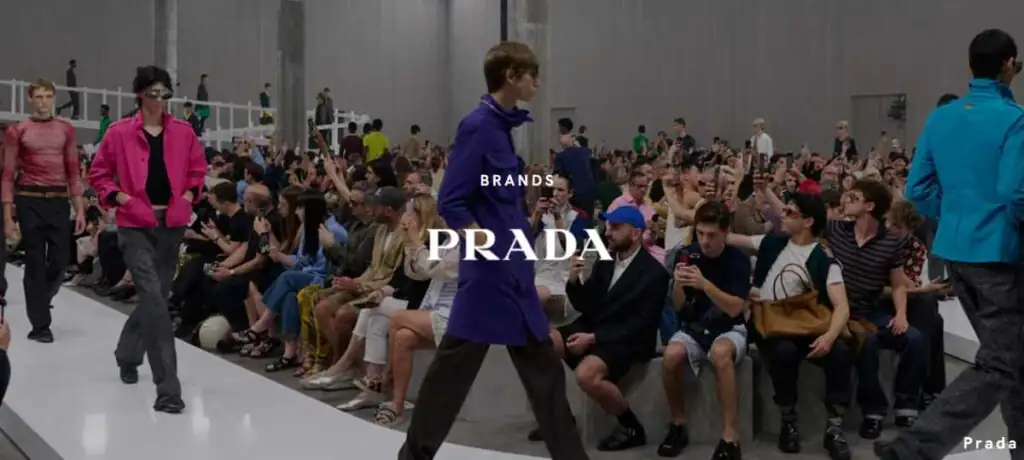
Mario Prada, one of the renowned Italian clothing designers, founded the iconic fashion house in 1913, originally as a leather goods shop named Fratelli Prada. Located in the prestigious Galleria Vittorio Emanuele II in Milan, the store quickly built a reputation for its exceptional craftsmanship and high-quality materials. From the beginning, Prada’s philosophy centered around innovation and luxury, consistently pushing boundaries in design while maintaining a focus on superior craftsmanship. This commitment to excellence established Prada as a pioneer in the fashion industry, appealing to an elite clientele who sought both exclusivity and elegance. Today, Prada is celebrated as one of the best Italian brands, synonymous with unparalleled style and sophistication.
Key Collections And The Impact Of Miuccia Prada
The transformation of Prada into a global luxury brand is largely attributed to granddaughter of Mario Prada, Miuccia Prada, one of the best Italian fashion designers. Taking the reins in 1978, Miuccia infused the brand with her avant-garde vision and a modern sensibility. One of her most significant contributions was the introduction of the black nylon backpack in 1985, which became an instant hit and set a new direction for the brand. This innovative use of materials underscored Miuccia’s ability to blend practicality with luxury.
Under leadership of Miuccia Prada, Italian fashion designers at Prada have continually redefined contemporary fashion, challenging traditional aesthetics with bold, intellectual designs. Key collections such as the 1995 “Ugly Chic” collection broke conventional beauty norms, showcasing an unprecedented blend of quirky and sophisticated elements. Miuccia’s approach to fashion has been both revolutionary and influential, earning the brand numerous accolades and a loyal following.
Influence On Luxury Fashion And Contemporary Fashion
Prada has left an indelible mark on luxury fashion, known for its pioneering spirit and boundary-pushing designs. The brand’s ability to marry classic elegance with modern, sometimes unconventional, elements has influenced a multitude of designers and fashion houses. Prada’s innovation extends beyond runway collections to include influential footwear, handbags, and accessories that set global trends.
In the realm of contemporary fashion, Italian fashion reached a pinnacle with Prada, which continues to be a formidable force, shaping the industry’s future through its eclectic vision and commitment to quality. Its ability to adapt while maintaining a distinct brand identity has ensured its relevance across decades. Through initiatives like the Fondazione Prada, which explores modern art and culture, the brand remains at the forefront of fashion, blending luxury with a progressive outlook that resonates worldwide.
Versace:
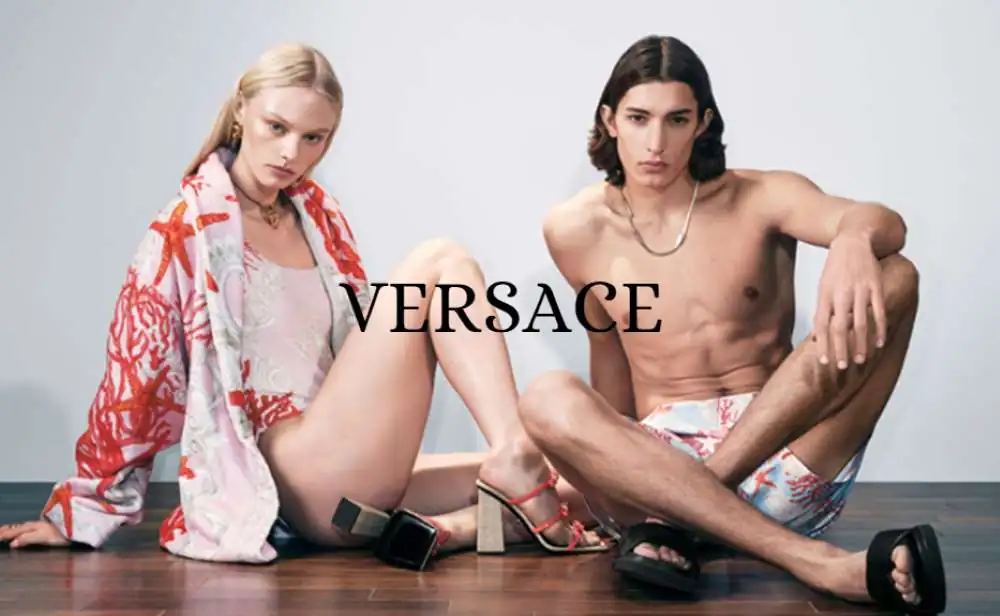
Gianni Versace, born on December 2, 1946, in Reggio Calabria, Italy, founded the renowned Italian clothing fashion house Versace in 1978. From the outset, Versace’s designs for the Versace brand were a vibrant departure from the minimalist trends of his time. He embraced bold patterns, bright colors, and luxurious fabrics with an unapologetic flair. His love for art, history, and theatre heavily influenced his work, resulting in collections that were as theatrical as they were elegant. Versace’s innovative approach to fashion extended beyond clothing; he introduced extravagant accessories and opulent home furnishings that carried the same bold ethos. Versace was also a pioneer in the ready-to-wear brands sector, making high fashion more accessible. Gianni’s fearless attitude towards fashion redefined the industry, merging the worlds of high fashion and pop culture. Iconic designs, such as the jungle-print dress worn by Jennifer Lopez at the 2000 Grammy Awards, cemented his legacy as a visionary who consistently pushed the boundaries of what fashion could be.
The Role Of Donatella Versace
Following Gianni Versace’s tragic murder in 1997, his sister Donatella Versace took the helm of the Versace brand. Having worked closely with Gianni Versace during his lifetime, Donatella was well-placed to continue his legacy. She brought her own unique perspective to the brand, infusing it with a modern, edgy sensibility while maintaining its luxurious and bold identity. Donatella’s tenure has been marked by a series of high-profile collaborations and iconic moments, such as the revival of the jungle-print dress at the 2019 Versace runway show. Under her stewardship, Versace has not only maintained but amplified its reputation for glamour and daring, making it one of the most recognizable Italian brands in the world.
Impact On High Fashion And Luxury Brands
Versace’s influence on high fashion and Italian luxury brands is profound. Italian fashion designer Gianni Versace introduction of bold prints, vibrant colors, and extravagant designs disrupted traditional fashion norms and brought a new, audacious energy to haute couture. This fearless approach has inspired numerous designers and Italian brands, encouraging them to explore more daring and expressive avenues in their collections. Versace’s use of celebrity endorsements and runway theatrics also revolutionized the way fashion was marketed, leading to the modern trend of using high-profile figures to elevate brand visibility.
Donatella has continued this legacy, ensuring that Versace remains at the cutting edge of fashion. Her leadership has seen the brand embrace inclusive casting, innovative digital marketing, and sustainability initiatives, further cementing its role as a trendsetter in the luxury fashion industry. Versace’s audacious spirit and commitment to opulence continue to resonate, making its mark on both high fashion and the broader cultural landscape. Italian fashion designers like Gianni and Donatella Versace have left an indelible mark on the fashion world, particularly with their iconic Italian dresses.
Gucci:
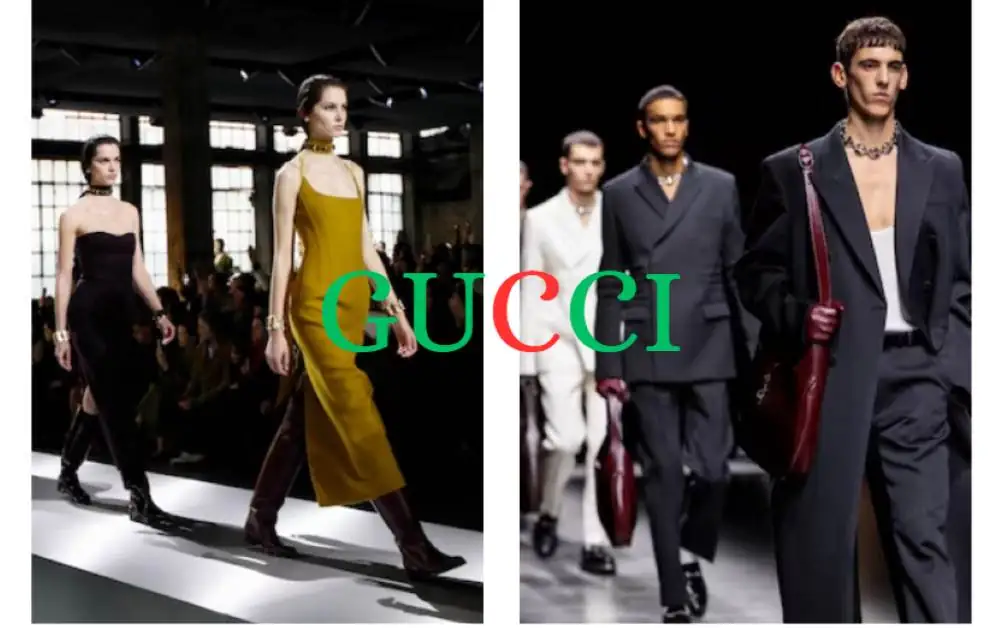
Founded in 1921 by Guccio Gucci in Florence, Italy, Gucci began as a small workshop producing quality leather goods. Over the decades, the brand evolved into one of the most prestigious names in luxury fashion, creating a fashion empire known for its timeless elegance and exceptional craftsmanship, thanks to the vision of Italian fashion designers. The post-war boom saw an expansion that included iconic items like the Gucci loafer and the bamboo-handled bag, cementing Gucci’s reputation for sophistication and innovation. Today, Gucci is celebrated as one of the leading luxury Italian clothing brands.
The transformation of Gucci into a modern powerhouse of Italian clothing commenced with the arrival of Tom Ford as the creative director in 1994. Ford’s provocative designs and bold marketing strategies rejuvenated the brand, blending glamour with a contemporary edge. His tenure ushered in an era of unprecedented growth, propelling Gucci to new heights, particularly in leather goods. Following Ford, designers like Frida Giannini and Alessandro Michele brought their unique visions, each contributing to the brand’s evolving identity. Michele’s tenure, starting in 2015, has been characterized by a maximalist approach, filled with eclectic patterns and vintage influences, which has captivated a global audience.
Key Collections That Defined Gucci’s Luxurious Image
Gucci’s luxurious image has been defined by numerous iconic collections over the years. Tom Ford’s Fall/Winter 1995 collection, noted for its blend of sultry elegance and Hollywood glamour, marked a turning point for the brand and set a new standard in the fashion industry. Frida Giannini’s Spring/Summer 2008 collection paid homage to Gucci’s rich heritage, reinterpreting classic motifs with a modern twist and further solidifying the brand’s luxurious image.
Under Italian designer Alessandro Michele, the 2016 Fall/Winter collection stood out with its bold, eclectic designs and rich, vibrant colours. Michele’s ability to integrate vintage aesthetics with contemporary elements has continually redefined luxury, making Gucci synonymous with avant-garde fashion and exceptional clothing manufacture. Another noteworthy collection is the “Gucci Garden” collection, which showcases Michele’s penchant for intricate embroidery and mystical, nature-inspired themes, resonating with both historical grandeur and contemporary artistry.
Gucci’s Role In Contemporary Fashion And The Fashion Industry
Italian fashion houses like Gucci continue to play a pivotal role in contemporary fashion, influencing trends and shaping the industry’s direction. The brand’s commitment to innovation is evident in its embrace of digital media, pioneering initiatives like the virtual fashion show, and collaborations with cutting-edge artists and designers. Gucci’s introduction of sustainable practices further underscores its commitment to modernity and relevance, aligning luxury with responsible consumption.
Gucci’s impact is also profound in the realm of cultural and social issues. The brand’s initiatives towards inclusivity, diversity, and gender fluidity reflect a progressive outlook that resonates strongly with today’s generation of fashion lovers. Through its multifaceted approach, Gucci not only represents the pinnacle of high-end fashion but also drives the discourse within the fashion industry, proving that luxury can be both beautiful and meaningful.
Dolce & Gabbana:
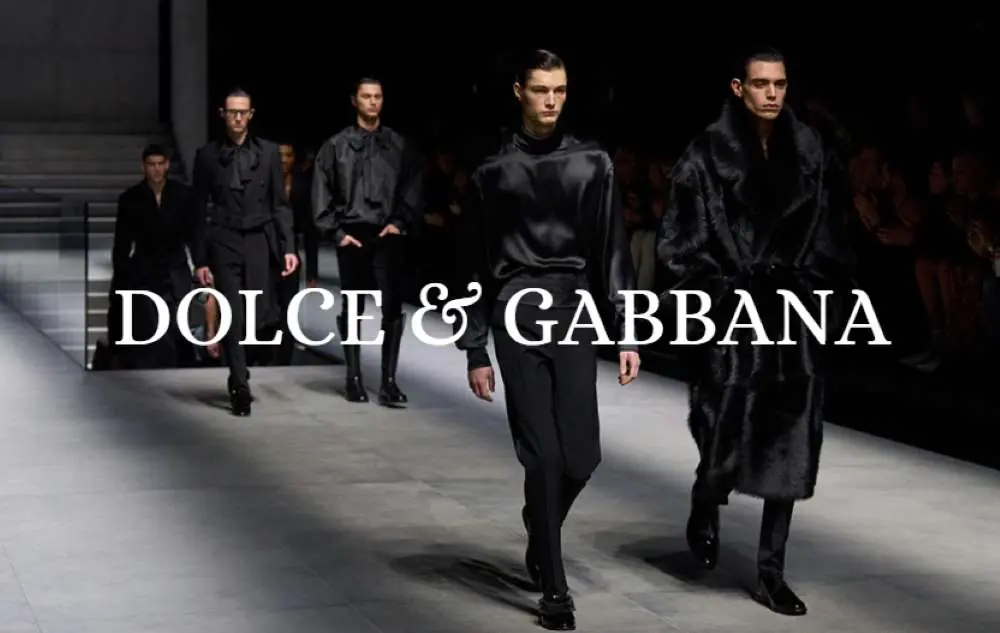
Founded by Stefano Gabbana and Domenico Dolce in 1985, Dolce & Gabbana quickly distinguished itself as one of the best Italian designer brands with its vibrant reflection of Italian heritage, particularly drawing inspiration from Sicilian traditions. The brand’s signature styles often incorporate elements of Mediterranean culture, rich textures, bold prints, and luxurious lace, embodying a sensuous and unapologetically glamorous aesthetic. With a focus on Italian dress, Dolce & Gabbana’s comprehensive vision includes everything from opulent evening wear to evocative prints featuring baroque flourishes and floral motifs, all of which celebrate a romantic, almost theatrical form of femininity. Additionally, their luxury sportswear collection brings this same level of sophistication and elegance to active lifestyles.
Signature Styles That Reflect Italian Heritage
Dolce & Gabbana’s collections, led by Stefano Gabbana, are renowned for their celebration of Italian culture and rich history. Their iconic corset dresses, figure-hugging silhouettes, and ornate embellishments pay homage to the grandeur and passion of Italy. The brand’s use of traditional Sicilian references, such as the classic Sicilian widow look and the incorporation of religious iconography, bridges the old with the new, creating timeless pieces that are both innovative and deeply rooted in tradition. The use of vibrant colors like deep reds and golds, coupled with luxurious materials such as silk, velvet, and lace, underscore the brand’s commitment to exuberance and sophistication.
Influence On Haute Couture And Ready-to-Wear Clothing
Dolce & Gabbana has significantly influenced both haute couture and ready-to-wear clothing. Their ability to blend high fashion with accessible designs has made luxury style available to a broader audience. The brand’s prêt-à-porter collections often feature the same meticulous attention to detail and quality materials as their couture lines, making high-end fashion more inclusive. Their bold, statement-making pieces have inspired countless designers and fashion enthusiasts, promoting a more diverse and expressive fashion landscape. Dolce & Gabbana’s enduring impact on the fashion industry is evident through their timeless designs that continue to captivate and inspire globally.
Valentino:
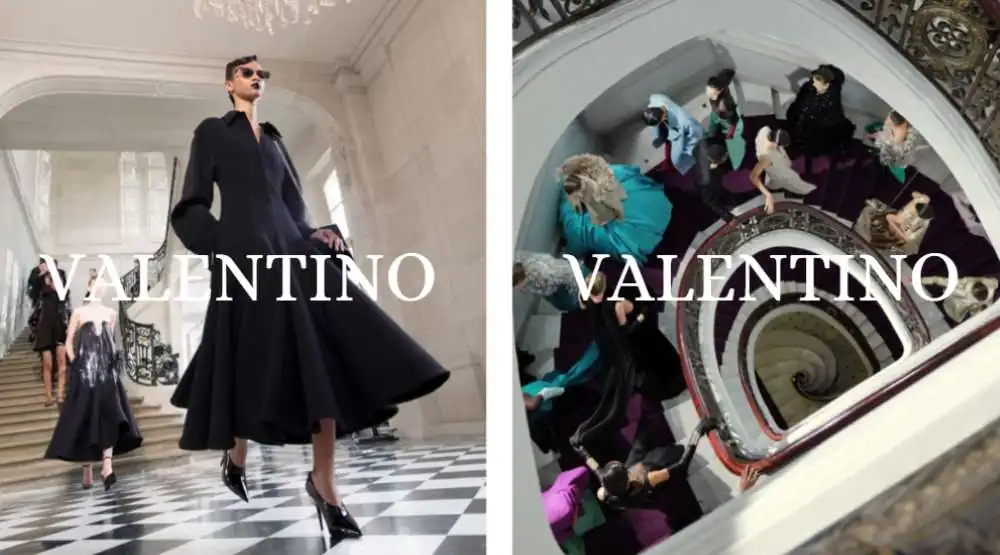
Valentino Garavani, the visionary behind the Valentino brand, embarked on his journey in 1960 with a mission to epitomize timeless romanticism and elegance. Known for his meticulous craftsmanship and attention to detail, Garavani quickly established a reputation for creating exquisite, fashion-forward pieces that exude sophistication and femininity. The brand frequently showcases these qualities in its collections.
Journey Of Valentino Garavani And His Classic Designs
Valentino’s journey began in Rome, where he founded his atelier with a clear vision of luxury and grandeur. His debut collection in 1962, highlighted by the now-iconic “Valentino Red” gowns, garnered significant acclaim, setting the tone for a brand synonymous with elegance. Over the decades, Valentino’s designs have graced countless runways and red carpets, embodying a blend of classic artistry and contemporary flair. His ability to intertwine ethereal romance with sleek silhouettes has resulted in a portfolio of timeless pieces that have become benchmarks in haute couture.
Signature Red Gowns And Other Iconic Pieces
Valentino’s signature red gowns are perhaps the most celebrated aspect of his legacy. This vibrant hue, known as “Valentino Red,” has become an emblem of the brand, representing passion, power, and sophistication. These gowns, often seen draping the figures of the world’s most influential women, exemplify the brand’s dedication to timeless beauty. Beyond the red gowns, Valentino’s collections feature iconic pieces such as elegant evening dresses, intricately embroidered capes, and sophisticated cocktail attire, all characterized by exquisite detailing and luxurious fabrics.
Valentino’s Contributions to Haute Couture
Valentino has made profound contributions to haute couture, continually pushing the boundaries of fashion with innovative designs and an unwavering commitment to quality. His couture collections are celebrated for their extraordinary craftsmanship, featuring elements like meticulous beadwork, delicate lace, and opulent materials. Garavani’s influence extends beyond his designs, as he has mentored a new generation of designers, ensuring that his legacy of romanticism and excellence endures. Today, under the creative direction of Pierpaolo Piccioli, the Valentino brand continues to honor Garavani’s vision while evolving with contemporary fashion, remaining a cornerstone of haute couture on the global stage.
Fendi:
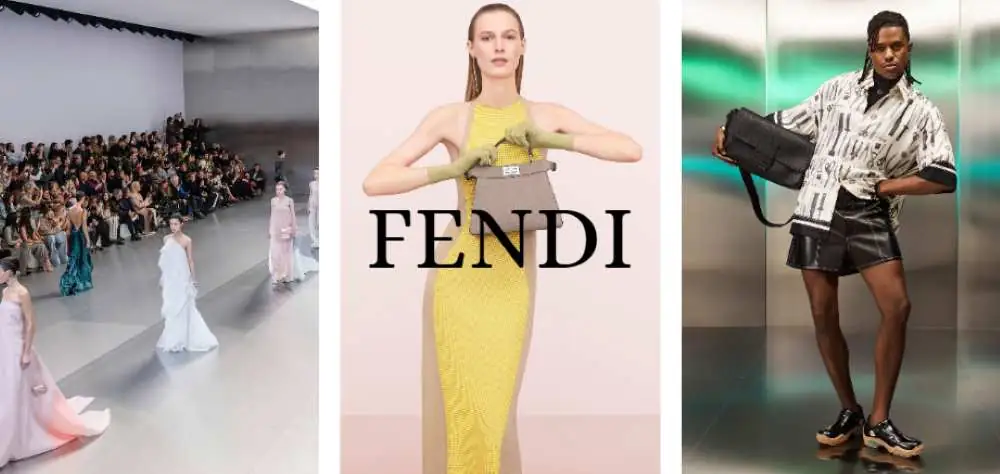
Fendi’s origins trace back to 1925, when Adele and Edoardo Fendi inaugurated a boutique and workshop in Rome, specialising in fur and leather goods. Over the decades, the brand grew from a local furrier to a global fashion powerhouse, renowned for its luxurious craftsmanship and innovative designs. Fendi’s commitment to excellence and creativity led to rapid expansions post-World War II, with the establishment of its legendary fur ateliers and the introduction of ready-to-wear lines. In 1965, the entry of Karl Lagerfeld as Creative Director marked a pivotal moment in Fendi’s evolution, propelling the brand into the forefront of haute couture with his avant-garde vision and artful reinvention of fur. Today, Fendi is celebrated as one of the premier Italian designer brands.
The Significance Of The Fendi Baguette And Other Leather Goods
Among Italian designer brands, Fendi’s illustrious creations stand out, with the Fendi Baguette as an iconic symbol of the brand’s prowess and cultural impact. Launched in 1997, this small, chic handbag, designed to be carried effortlessly under the arm like a French baguette, became an instant sensation. Its unique design, coupled with a myriad of textures, colors, and embellishments, solidified its status as a must-have accessory in the fashion world. Beyond the Baguette, Fendi’s leather goods continue to exemplify exceptional craftsmanship. From the Peekaboo bag to the Selleria line, Fendi’s commitment to using premium materials and intricate techniques ensures that each piece is both a statement of luxury and a testament to the brand’s rich heritage.
Role Of The Fendi Family And Karl Lagerfeld
The Fendi family’s influence remains deeply intertwined with the brand’s legacy. The five Fendi sisters—Paola, Anna, Franca, Carla, and Alda—played pivotal roles in steering the brand through its critical years, each contributing uniquely to its growth and innovation. As a family business, Anna Fendi’s business acumen and design sensibility, in particular, proved instrumental in shaping Fendi’s identity. The collaboration between the Fendi family and Karl Lagerfeld is often cited as one of the most enduring and influential partnerships in fashion history among Italian fashion brands. Lagerfeld’s ability to reinterpret Fendi’s classic elements with modern flair brought renewed dynamism and global acclaim. Together, they transformed Fendi from a traditional Roman furrier into a fashion juggernaut, blending timeless Italian craftsmanship with cutting-edge creativity. Today, the brand continues to thrive under the artistic direction of Silvia Venturini Fendi, upholding the principles of innovation and excellence that have defined Fendi for nearly a century.
Bottega Veneta:
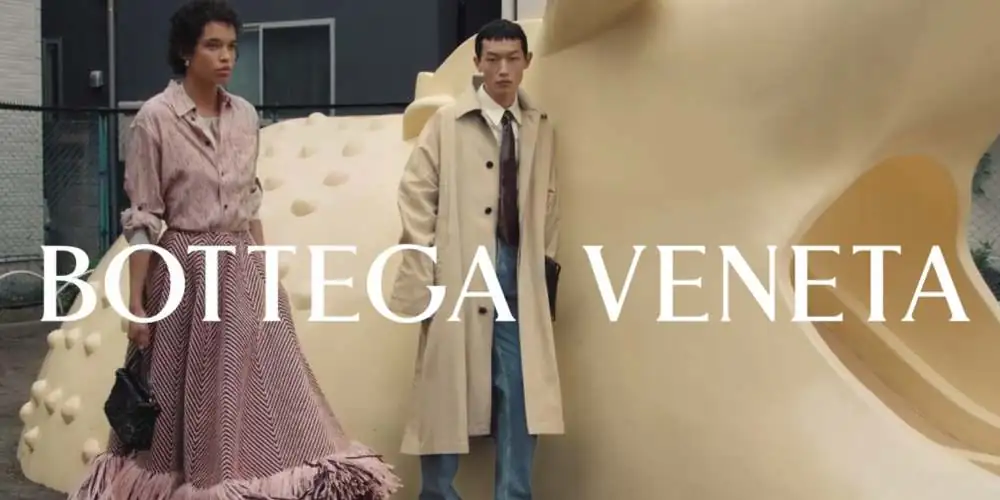
Bottega Veneta, established in 1966 in Vicenza, Italy, is revered for its dedication to artisanal craftsmanship and exceptional quality, making it one of the most iconic Italian fashion brands. bottega veneta philosophy, “When your own initials are enough,” underscores its commitment to subtle luxury and understated elegance. Renowned for eschewing prominent logos in favour of exceptional craftsmanship, Bottega Veneta has cultivated a distinctive identity characterized by meticulous attention to detail, innovative techniques, and superior materials. Among Italian fashion brands, Bottega Veneta stands out, as its artisans are masters of their craft, often spending years honing their skills to meet the brand’s exacting standards. This dedication further cements its place among the top-tier Italian fashion brands.
Signature Intrecciato Weave And Its Impact
Among Bottega Veneta’s myriad of innovations, the signature Intrecciato weave stands out as a hallmark of the bottega veneta legacy. Introduced in the early days of the company, this intricate weaving technique not only enhances the durability of the leather but also creates a unique aesthetic that is instantly recognizable. The Intrecciato weave has become synonymous with Bottega Veneta, symbolizing the brand’s fusion of tradition and innovation. Its impact extends beyond the visual appeal, representing a profound commitment to craftsmanship—a philosophy that values quality and artistry over trend-chasing. This iconic weave has been featured across various product lines, from handbags and accessories to footwear and home décor, making it a timeless emblem of the brand’s artisanal excellence.
Influence On The Italian Fashion Industry
Bottega Veneta’s influence on the Italian fashion industry is profound, serving as a paragon of luxury craftsmanship and innovation. The brand has consistently championed traditional Italian techniques while pushing the boundaries of contemporary design. This duality has earned Bottega Veneta a revered status within haute couture circles and a loyal global clientele. By prioritizing quality over quantity and craftsmanship over conspicuous branding, the brand has set new standards in luxury and inspired other Italian fashion brands to uphold the cultural heritage of meticulous artisanal work. Under the leadership of creative directors like Tomas Maier and Daniel Lee, Bottega Veneta has not only preserved its storied legacy but also propelled it into new eras of fashion, reinforcing Italy’s reputation as the epicentre of luxury and design excellence.
Moschino:
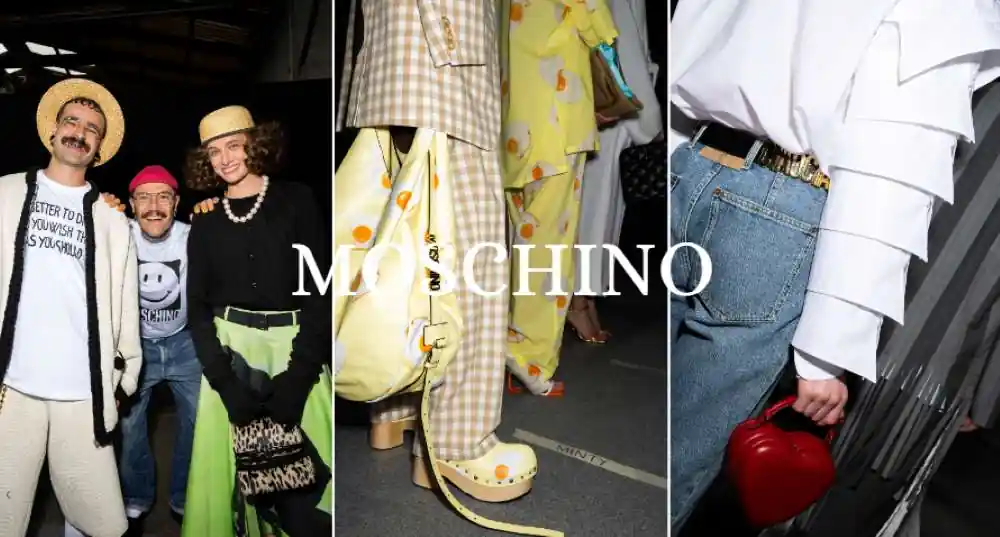
Founded in 1983 by Franco Moschino, the eponymous brand quickly became synonymous with a rebellious and whimsical style that challenged conventional fashion norms. Franco Moschino’s vision was rooted in his satirical take on the fashion industry, using his designs to comment on and often mock the grandiosity and elitism of high fashion. His collections were known for their bold humor, clever visual puns, and vibrant use of colour, which set Moschino apart from its more conservative contemporaries. This irreverent approach made the brand a favourite among those seeking to make a bold statement through their attire.
Key Collections And Their Impact On Fashion Satire
Throughout the 1980s and early 1990s, Franco Moschino released several collections that left an indelible mark on fashion. The Fall/Winter 1988 collection, for example, featured pieces with phrases like “Waist of Money” splashed across swimsuit cuts, directly critiquing the frivolity of fashion spending. Another iconic moment came with the Spring/Summer 1991 collection, which showcased the now-famous “Power of Advertising” dress—highlighting Moschino’s knack for turning everyday commercial imagery into high fashion. These collections did more than just entertain; they provoked thought and conversation about consumerism, brand obsession, and societal norms, cementing Moschino’s role as fashion’s ultimate provocateur.
Moschino’s Place In The Fashion World
Today, Moschino continues to uphold the playful and provocative spirit of its founder under the creative direction of Jeremy Scott. Known for his own brand of bold and eclectic design, Scott has successfully carried forward Franco Moschino’s legacy of blending high fashion with pop-culture references, often through visually arresting runway shows. Moschino’s collections remain a fixture in the fashion world, celebrated for their unique ability to blend humor, satire, and couture craftsmanship. Among best Italian luxury brands, Moschino stands out by maintaining its core ethos while evolving with the times, securing its place as a pioneer of fashion satire. This distinction sets it apart from other luxury brands and highlights its unique position within Italian fashion brands.
Missoni:
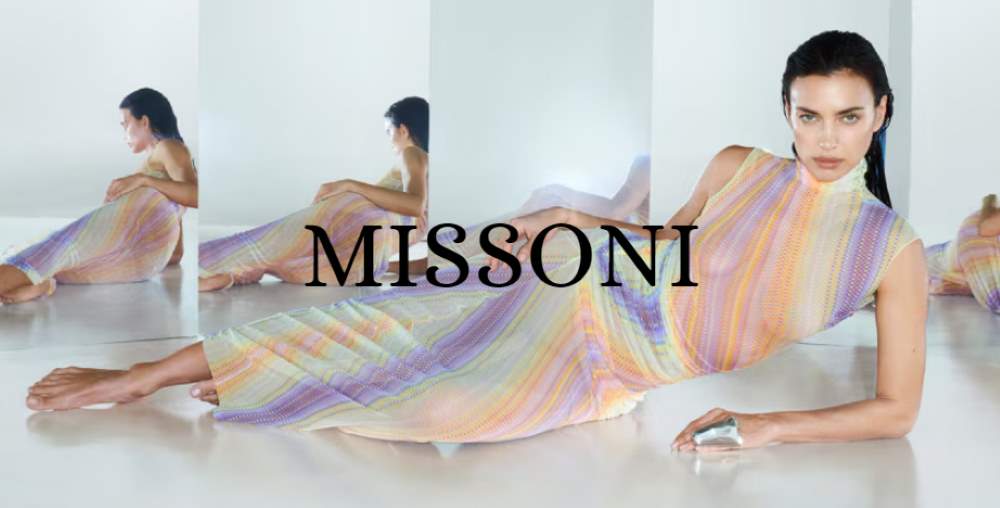
Founded in 1953 by Ottavio and Rosita Missoni, the eponymous Italian fashion house is celebrated for its vibrant knitwear and avant-garde patterns. The Missoni family has remained at the helm of the brand, ensuring their distinctive aesthetic remains true to its roots while evolving with contemporary trends. Known for their innovative use of colour and intricate stitching techniques, the Missonis have turned their unique vision into a globally recognized Italian fashion house. The aesthetic is characterized by bold zigzag patterns, geometric shapes, and a riot of colours, which collectively exude an unmistakable sense of joie de vivre. This family business is a true testament to creativity and timeless style.
Key Collections And Signature Patterns In Italian Knitwear
Missoni’s influence in the realm of knitwear is unparalleled, with several key collections that have redefined textile design in the Italian fashion landscape. Among Italian luxury fashion houses, their Spring/Summer 1967 collection, for example, gained international acclaim for its lightweight, fine-gauge knits, which departed from the heavier, more constrictive styles of the era. Signature patterns such as the iconic zigzag, wave-like lines, and intricate chevrons have become synonymous with the brand. These patterns are not only aesthetically captivating but also technically challenging to produce, showcasing Missoni’s dedication to craftsmanship and innovation. The brand has continued to innovate over the decades, with each collection bringing new iterations of their signature motifs, often exploring unexpected colour combinations and novel textures.
Influence On Textile Design And The Broader Fashion Capital
Missoni’s impact on textile design extends far beyond its own collections. The brand’s pioneering use of knitwear has set new standards for what can be achieved with textiles, influencing designers around the globe. Their creative approach to patterning and colour has inspired numerous fashion houses and has played a significant role in elevating knitwear to a high-fashion status. Furthermore, Missoni’s commitment to quality and artistry embodies the essence of Italian craftsmanship, reinforcing Italy’s stature as a leading fashion capital. Through collaborations, exhibitions, and a steadfast dedication to their craft, Missoni has not only preserved but also propelled the rich heritage of Italian fashion, leaving an indelible mark on the industry.
Marni:
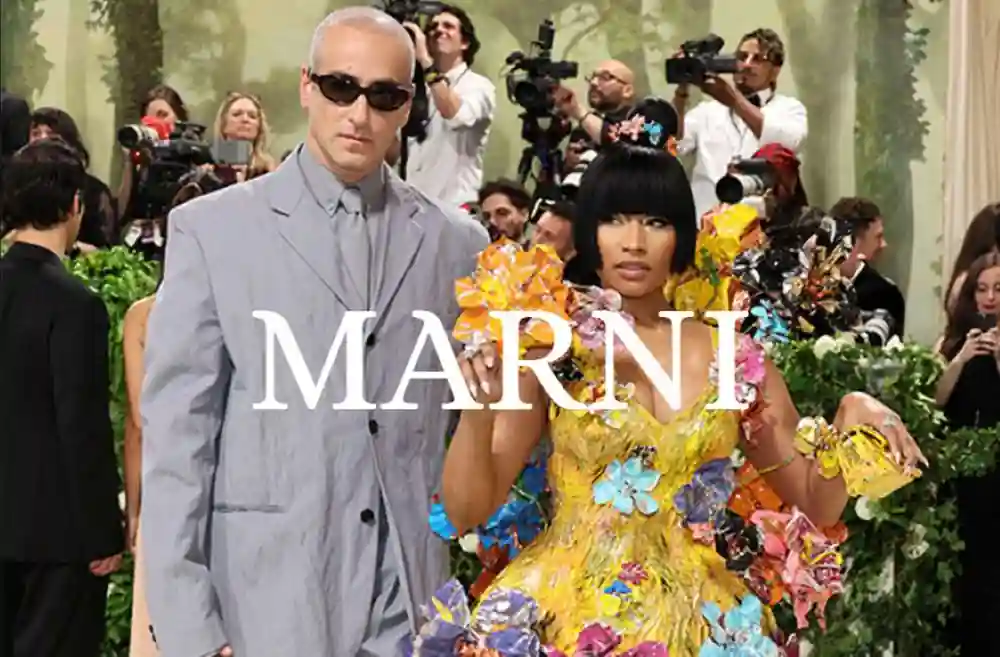
Established in 1994 by Consuelo Castiglioni, Marni has carved a distinctive niche in the world of fashion with its eclectic and artistic designs. Initially conceived as a family-run business specializing in fur, Marni soon expanded into ready-to-wear collections that featured unconventional patterns, imaginative silhouettes, and a harmonious blend of textures. Under Castiglioni’s visionary leadership, the fashion house grew rapidly, attracting a global following with its unique aesthetic that defies traditional fashion norms. Today, Marni stands as a testament to innovative design and individuality, continuing to explore the boundaries of contemporary fashion.
Exploration Of Marni’s Eclectic And Artistic Designs
Marni, the Italian fashion label and Italian fashion house, is characterized by a fearless embrace of contrasts and an eclectic mix of elements that often create a whimsical yet sophisticated look. The brand is renowned for its bold use of prints and patterns, ranging from abstract florals to graphic geometrics, often combined in unexpected ways. Layered textures, asymmetrical cuts, and a playful approach to proportion further define Marni’s distinctive style. This artistic sensibility extends to the brand’s accessories, which often feature oversized shapes, vivid colors, and an artisanal touch that reflects a deep appreciation for craftsmanship. As one of the top Italian fashion brands, Marni invites its audience to celebrate creativity and self-expression through each collection.
Contribution To Modern Fashion Trends And Sustainability Efforts
Marni, one of the prominent biggest Italian fashion brands, has made significant contributions to modern fashion trends, challenging conventional aesthetics and encouraging a more liberated approach to personal style. The brand’s ability to seamlessly blend the avant-garde with wearability has inspired fashion enthusiasts and designers alike. Moreover, Marni is committed to sustainability, actively seeking ways to reduce its environmental impact. Initiatives such as using eco-friendly materials, promoting ethical manufacturing practices, and creating collections from upcycled fabrics highlight the brand’s dedication to responsible fashion. By balancing innovation with sustainability, the Italian designer Marni continues to push the fashion industry towards a more conscientious and creative future.
Conclusion:
Reflecting on the enduring appeal of Italian fashion reveals a fascinating tapestry of innovation, craftsmanship, and aesthetic brilliance. From the avant-garde patterns of Missoni to the eclectic designs of Marni, the biggest Italian fashion brands have consistently pushed boundaries while maintaining a deep respect for tradition and quality. This distinctive blend of heritage and modernity ensures that Italian fashion remains at the forefront of the industry, captivating generations of fashion enthusiasts around the globe.
Looking ahead, the prospects for future innovation and influence in the fashion industry are bright. Top Italian fashion brands continue to set benchmarks for creativity and are increasingly incorporating sustainable practices into their operations. As consumers become more conscious of their environmental footprint, the emphasis on eco-friendly materials and ethical production methods will likely grow. Additionally, the integration of advanced technologies, such as digital design tools and smart textiles, promises to revolutionize the way fashion is created and experienced.
Furthermore, the global reach of Italian fashion is set to expand, with emerging designers building on the rich legacy of their predecessors while introducing fresh perspectives and ideas. This dynamic interplay between tradition and innovation, combined with a commitment to sustainability, positions Italian fashion as a pivotal influence in shaping the future of the industry. It is this ability to evolve and inspire that ensures Italian fashion will continue to enchant and lead the world of style for years to come.