Explore the bold and authentic world of Gen Z fashion driven by sustainability and self-expression.
Key Takeaways
- Gen Z favors baggy jeans, vintage finds, and gender-fluid styles over traditional fashion norms
- Sustainability and ethical consumption are core values shaping Gen Z’s fashion purchasing decisions
- Social media and influencers play a major role in spreading and shaping Gen Z trends
- DIY customization, thrifting, and upcycling reflect Gen Z’s commitment to individuality and eco-consciousness
The emergence of Generation Z as a distinct demographic has brought forth a transformative shift in the fashion landscape. Characterised by their unique values and preferences, Gen Zers place a premium on personal style that reflects authenticity and individuality. This generation is not shy about embracing diversity, incorporating a wide array of influences that stretch across cultures, genders, and generations. Sustainability and ethical practices are paramount for Gen Z consumers, driving demand for brands that align with their values. As a result, the fashion industry is increasingly adapting to accommodate this new wave of thinkers and creators, fostering innovation and inclusivity in design, marketing, and representation.
The Evolution Of Gen Z Fashion
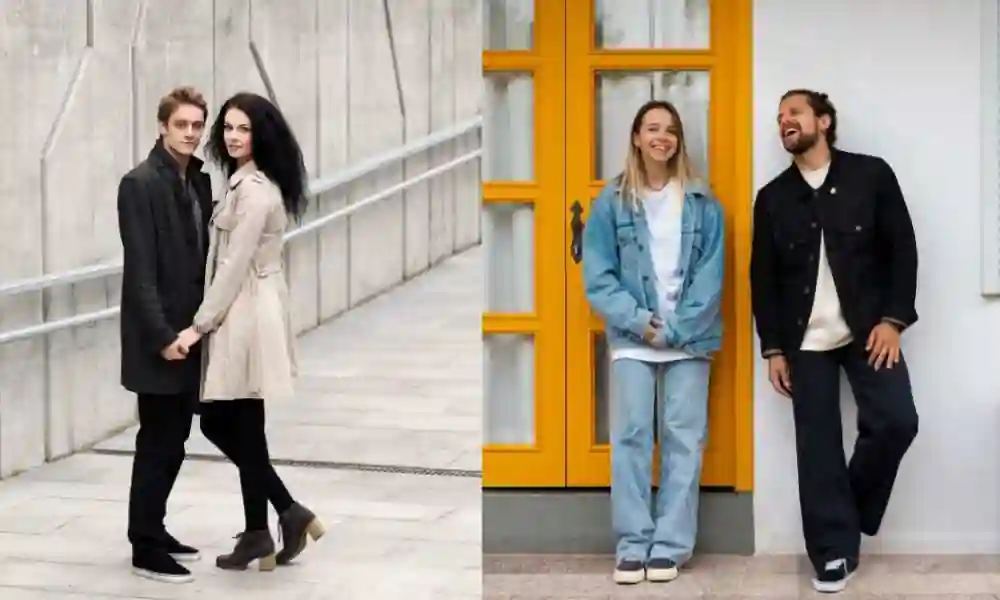
The transition of fashion trends from millennials to Gen Z over the past few years marks a pivotal evolution where style has transcended mere trends to embody statements of identity and conviction. While millennials often gravitated towards brands that epitomised status and luxury, Gen Z fashion—also known as “gen zer”—has embraced a more eclectic approach, favouring pieces that convey personal narratives and social messages. This generation is heavily influenced by digital platforms, harnessing social media to express their creativity and individuality. By curating their own styles from a plethora of sources—vintage finds, thrifted treasures, and even DIY creations—Gen Z not only shapes their fashion identity but also champions sustainability through conscious consumption.
Baggy Jeans And The Return Of Comfort
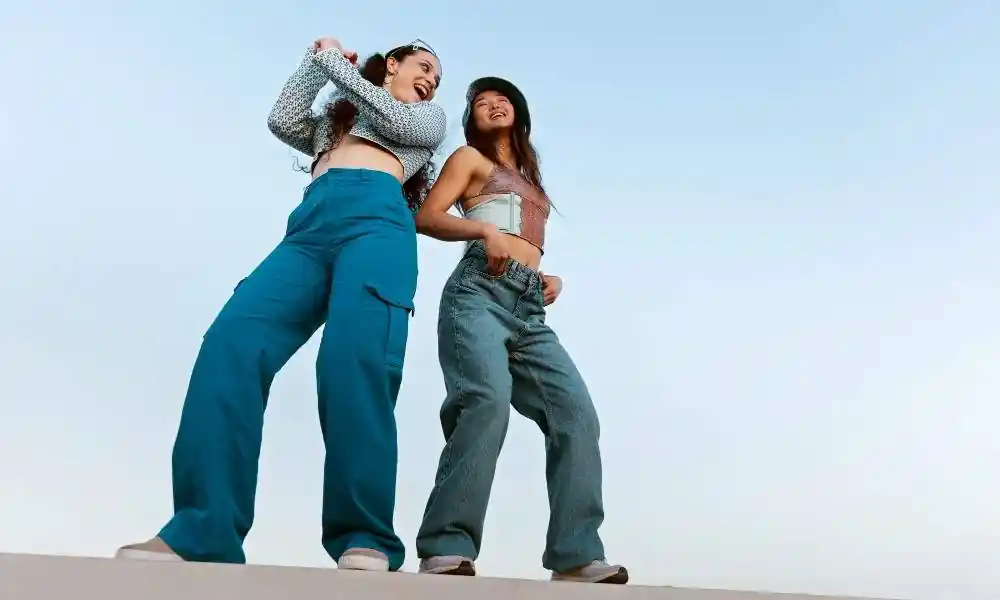
The resurgence of baggy jeans reflects Gen Z’s shift toward comfort-centric fashion, prioritizing ease over the restrictive fits of previous decades. These jeans have made a notable comeback, serving as a versatile staple that can be styled in many ways—paired with an oversized graphic tee for a casual look or dressed up with a fitted blouse and chunky boots for trendy outings. Layering is key to elevate the denim game; combining baggy jeans with a cropped jacket or oversized blazer adds structure while keeping a relaxed vibe. Accessories also play an important role, with statement belts that cinch the waist or bold sneakers anchoring the outfit. The casual yet chic appeal of baggy jeans symbolizes a generation’s embrace of comfort as a central aspect of their fashion identity.
Skinny Jeans VS Baggy Jeans
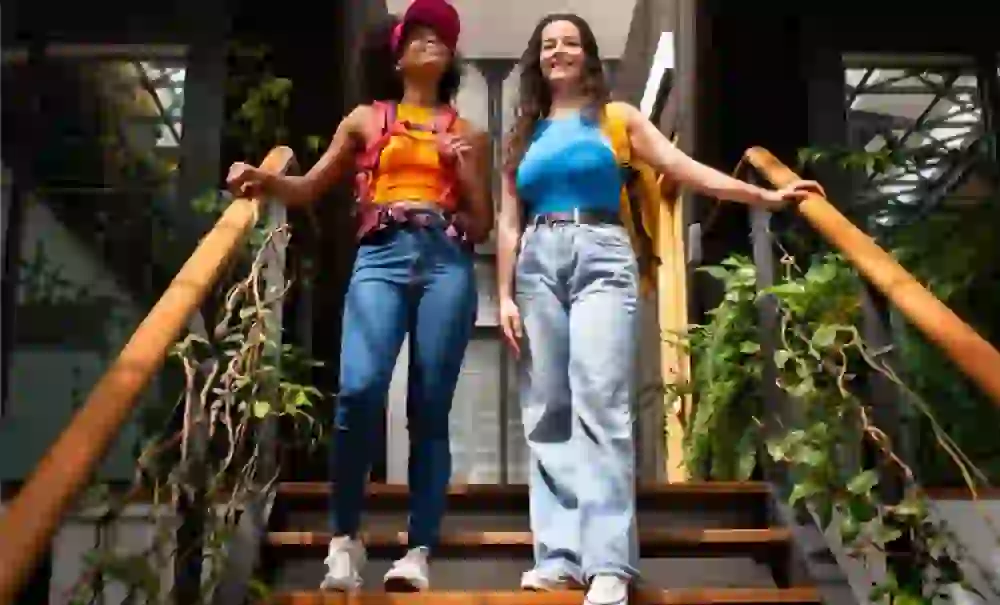
The decline of skinny jeans and the rise of baggy jeans among young people signify a major shift in fashion preferences between Gen Z and previous generations. While skinny jeans were popular for over a decade, appealing to millennials with their sleek look and versatility, Gen Z’s preference for looser fits emphasizes comfort and self-expression. This choice reflects their values of inclusivity and individuality, as many cite the restrictive nature of skinny jeans for their waning popularity. In a world increasingly focused on mental health and well-being, the tight fit of skinny jeans seems at odds with the desire for authenticity. The move to looser fits fosters a more relaxed approach to fashion, allowing personal style to flourish without societal constraints. By favoring baggy jeans, Gen Z is redefining fashion to celebrate comfort, creativity, and a break from traditional aesthetics.
Embracing Gender Fluidity
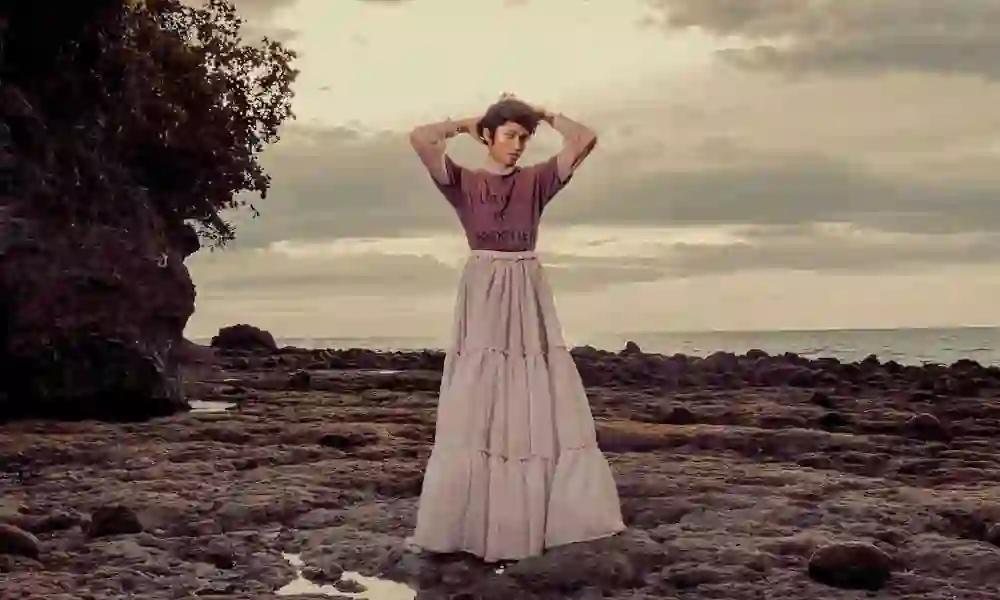
Generation Z is at the forefront of a significant shift toward gender fluidity in fashion, challenging traditional norms and embracing a more inclusive approach. This gender fluid movement champions clothing that transcends binary gender labels, allowing individuals to express their true selves regardless of societal expectations. As gender fluidity becomes more mainstream, the fashion industry is responding with collections that prioritize versatility and comfort, offering styles that cater to everyone.
Brands that resonate with Gen Z’s commitment to breaking fashion norms include Telfar, known for its unisex designs and the iconic Shopping Bag, and PALACE, which incorporates gender fluid and androgynous elements into its streetwear. Additionally, other labels like Aerie and Wildfang have gained prominence among this demographic for their dedication to body positivity and inclusive sizing, promoting confidence and authenticity in self-expression. By supporting such brands, Gen Z is not only redefining fashion but also fostering a culture that embraces diversity in gender expression and body image.
Sustainable Fashion
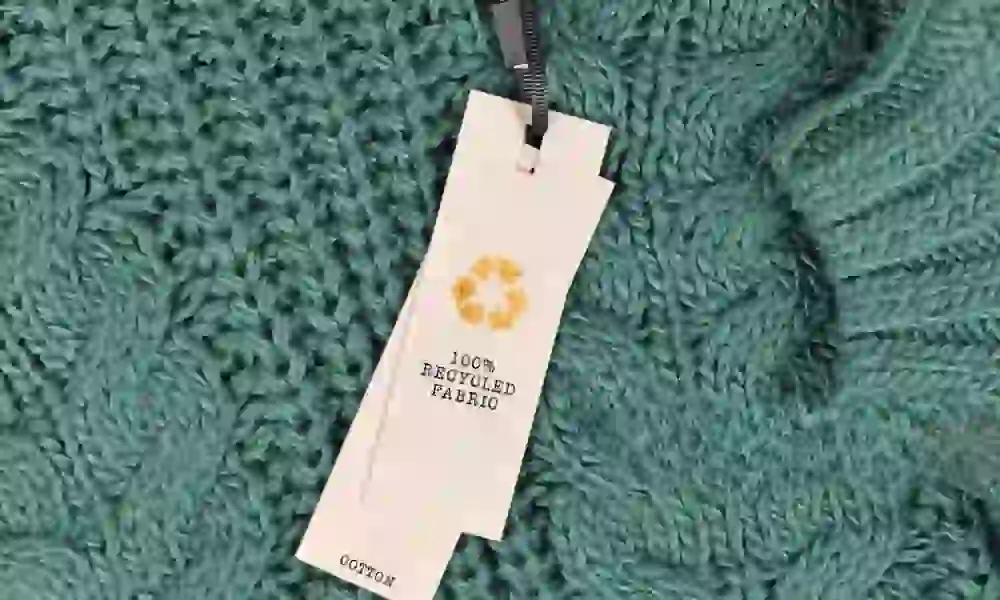
The rising preference for sustainable and ethical brands among Gen Z signifies a major cultural shift in the fashion industry. This new generation is increasingly aware of the environmental and social impacts of their clothing choices. They prioritize brands that practice transparency and promote sustainability, leading to a rejection of fast fashion, which is known for exploitative labor practices and environmental damage. Consequently, many retailers are reevaluating their strategies to focus on eco-friendly materials and fair trade initiatives
In addition to making conscious purchases, Gen Z actively advocates for change in fashion by encouraging others to consider the lifecycle of their garments, supporting thrift stores, upcycled clothing, and independent designers who prioritize ethical practices, including the promotion of crew socks. This movement fosters individual expression while emphasizing a commitment to a more equitable and environmentally friendly future in fashion, urging established brands to take responsibility and align with these evolving consumer values.
Vintage Vibes

The popularity of vintage and thrifted clothing among Generation Z over the past few years illustrates a deep appreciation for history, craftsmanship, and personal expression. Thrifting is more than just a trend; it represents a cultural movement towards sustainability and individuality, allowing young consumers to curate wardrobes filled with unique, often one-of-a-kind pieces that tell a story. By embracing styles from past decades—whether it be 90s grunge, 70s boho, or 80s glam—Gen Z is redefining fashion narratives and celebrating the charm of vintage aesthetics while influencing current fashion trends.
Tips For Curating A Unique Wardrobe With Classic And Timeless Pieces:
- Explore Local Thrift Stores and Flea Markets: Regular visits to thrift shops and flea markets can yield unexpected treasures. Look for pieces that resonate with your personal style, even if they differ from mainstream trends.
- Mix and Match Eras: Don’t be afraid to blend pieces from different decades. Pair a vintage leather jacket from the 80s with contemporary items to create the same look that stands out.
- Focus on Quality Over Quantity: When thrift shopping, pay attention to the fabric and craftsmanship. Timeless pieces often possess superior quality, offering durability and longevity.
- Accessorize Wisely: Vintage accessories, such as jewelry or bags, can elevate any outfit. Stop clinging to modernity and incorporate these elements to add a unique touch to your style.
- Customize and Upcycle: Consider personalizing thrifted items through alterations or embellishments. This can transform something ordinary into a statement piece that reflects your style and story.
The Y2K Aesthetic
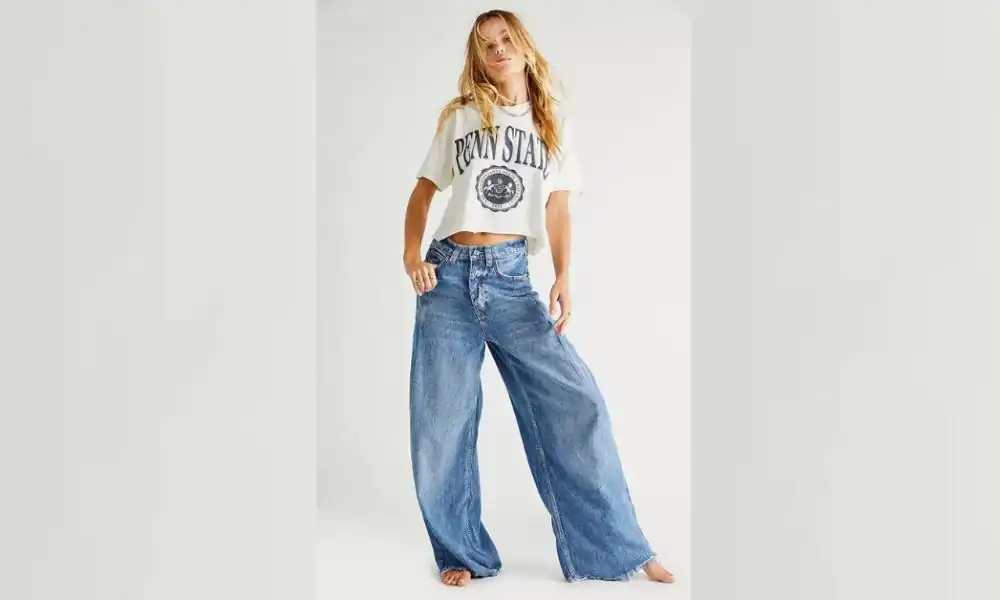
The resurgence of the Y2K aesthetic among Gen Z showcases a fun and captivating mix of nostalgia and modernity in fashion trends. Young people are revisiting the early 2000s by reintroducing iconic items like low-rise jeans, butterfly clips, and vibrant graphic tees, all with a contemporary twist. This revival goes beyond mere nostalgia; it represents a creative reinterpretation that reflects personal identity and social commentary. Low-rise jeans, once a bold statement of youthful rebellion, are now styled with crop tops and oversized outerwear for a fresh silhouette, while butterfly clips—staple accessories of the Y2K era—are making a fun comeback in a variety of vibrant colors and designs, often stacked for a playful layered look. This fusion allows Gen Z to express their individuality while honoring the styles that shaped previous generations, ultimately redefining both fashion identities and cultural narratives and making the Y2K aesthetic a powerful symbol of self-expression, creativity, and fun in today’s landscape.
Athleisure And Sportswear
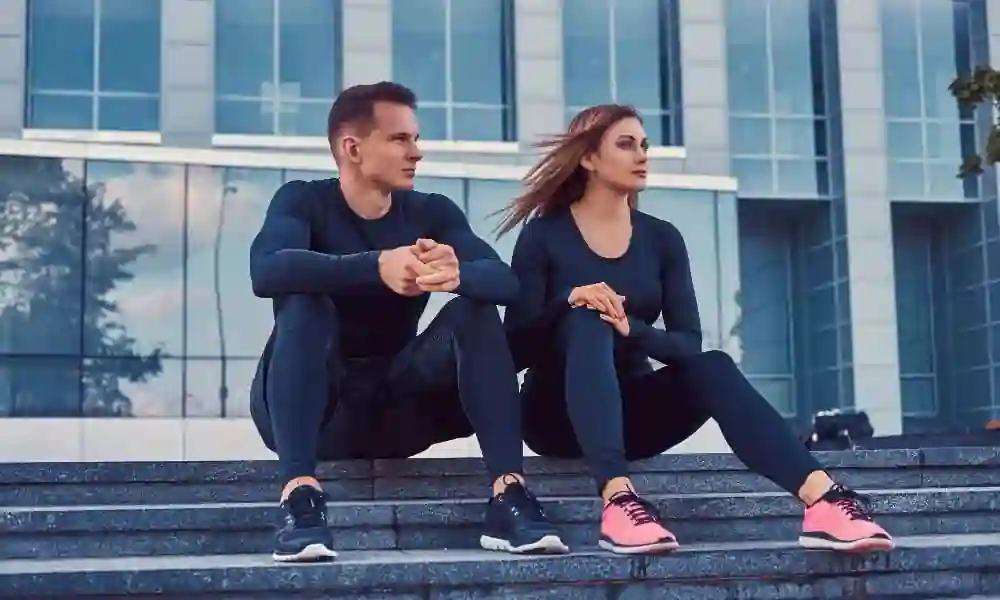
Gen Z has embraced athleisure as a cornerstone of their everyday style, seamlessly merging comfort with fashion. This trend highlights the popularity of sports bras, leggings, oversized sweatshirts, and ankle socks, which not only offer practicality but also create a chic, laid-back aesthetic. Whether it’s pairing high-waisted leggings with a cropped hoodie and ankle socks for a coffee run or layering a sleek sports bra under an unbuttoned shirt for a casual outing, athleisure allows for versatility and ease in daily dressing.
The integration of athleisure into casual wardrobes reflects a broader cultural shift toward prioritizing comfort and functionality without compromising on style. Brands that cater to this trend, such as Lululemon and Gymshark, have become favorites among Gen Z for their stylish designs and commitment to quality. Additionally, this generation is often seen sporting athleisure in non-gym settings, signalling a departure from traditional fashion norms and embracing a lifestyle where comfort is paramount. By doing so, Gen Z is not just making a fashion statement; they are crafting a narrative that celebrates self-expression through easy-going, yet fashionable, athletic attire.
Accessories And Statement Pieces
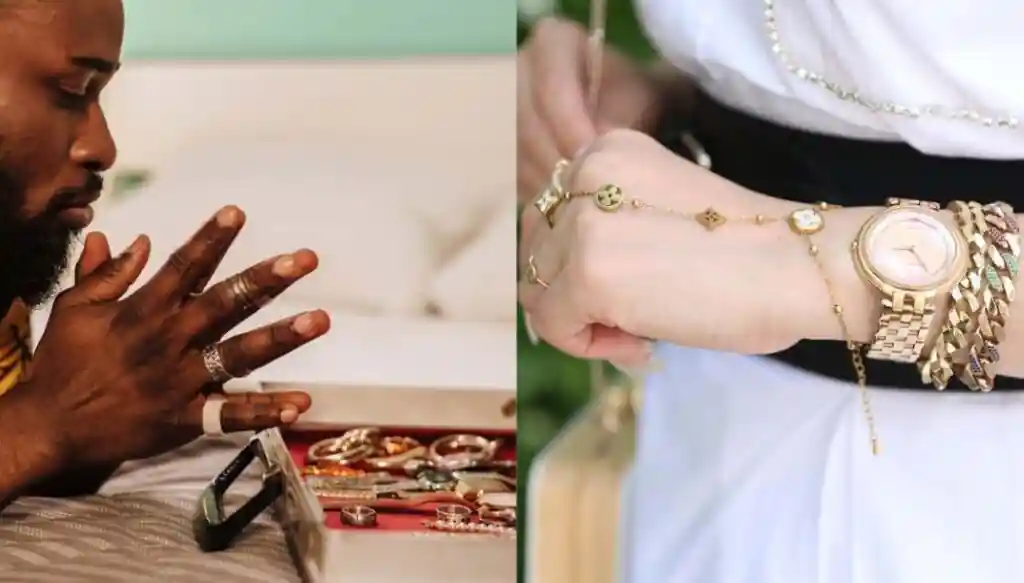
Accessories serve as essential elements in enhancing Generation Z’s fashion expression, allowing individuals to personalise their outfits and make bold statements. Statement necklaces and unique jewelry are particularly popular, providing a way to showcase one’s personality and taste. Chunky chains, layered pendants, and vintage finds often take center stage in outfits, effortlessly elevating a simple t-shirt and jeans combination into a standout look.
Ankle socks have also emerged as a defining accessory for women, often styled in playful patterns or bright colors, and paired with everything from loafers to chunky sneakers and flared pants. This unexpected detail adds a youthful twist that complements the overall aesthetic. By thoughtfully curating accessories, Gen Z women can transform wardrobe staples into fashion-forward statements, creating cohesive looks that resonate with their individuality and the vibrant storytelling inherent in their style choices.
How To Use Accessories To Pull Together An Outfit
- Create Focal Points: Select a standout accessory, like a bold necklace or oversized earrings, and build the rest of your outfit around it. This draws attention and adds interest to your ensemble.
- Layer Wisely: Experiment with layering different types of jewelry, such as stacking rings or layering necklaces of varying lengths, to create depth and texture in your look.
- Contrast Elements: Mix casual pieces with statement accessories to achieve an effortlessly chic vibe. For instance, pairing a basic outfit with eye-catching shoes or a vibrant handbag helps create a balanced yet dynamic style.
- Don’t Overdo It: While accessories can elevate an outfit, it’s essential to avoid overwhelming the look. Choose a few key pieces that complement each other without competing for attention.
- Stay True to Yourself: Ultimately, the best accessories are those that reflect your personal style and story. Choose pieces that resonate with you, ensuring that your outfit feels authentic and uniquely yours.
From Oversized T-Shirts To Chic Looks

Gen Z’s affinity for oversized t-shirts and crisp white shirts plays a significant role in their casual fashion landscape. These wardrobe staples are not just about comfort; they’re also incredibly versatile, allowing for creative styling that transitions seamlessly from laid-back to polished. An oversized t-shirt can be effortlessly paired with bike shorts or cargo pants for a relaxed daytime look, while adding a structured blazer and statement accessories instantly elevates this ensemble for evening outings.
Crisp white shirts serve as a blank canvas for personal expression, whether worn loose and unbuttoned over a graphic tee or tucked neatly into high-waisted trousers for a more sophisticated appearance. Layering with a slip dress or incorporating trendy belts can introduce a fashion-forward edge, showcasing the flexibility of these pieces. By remixing casual elements with chic accents, Gen Z illustrates how modern styling can embody both comfort and elegance, proving that casual wear can easily find its place in refined settings.
The Power Of Social Media
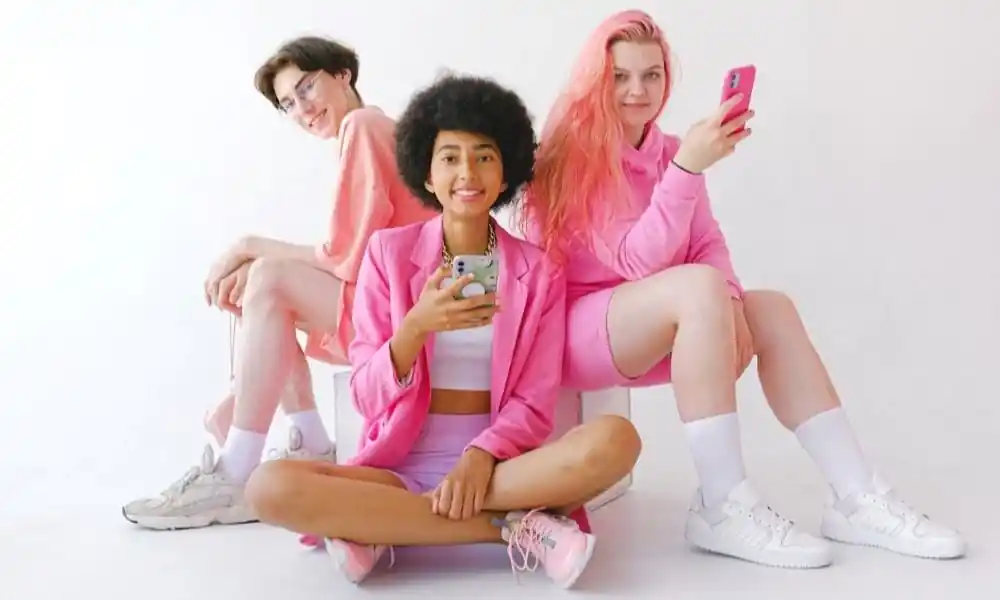
Social media platforms, particularly Instagram, have become vital in shaping fashion trends and styles for Generation Z. With visually driven content, users are constantly bombarded with new styles, innovative concepts, and the latest trends from both established brands and emerging designers. The aesthetic nature of Instagram encourages users to curate their feeds, showcasing their fashion choices while simultaneously drawing inspiration from others. This platform enables trends to spread rapidly, as a single post from an influential figure can lead to widespread adoption of an entire style.
Influencers play a significant role in this ecosystem, as their authentic engagement and style expertise resonate with young audiences. They act as tastemakers, introducing and endorsing new trends, which can instantly sway the purchasing decisions of their followers. The visible connection between influencers’ lives and their curated outfits creates a sense of aspiration, prompting Gen Z to emulate the styles they admire. As young people navigate their fashion choices, social media serves not only as a source of inspiration but also as a tool for self-expression, allowing them to forge their identities through the ever-evolving landscape of fashion.
DIY And Customization

The trend of customizing outfits and clothing has become a powerful avenue for Generation Z to showcase their individuality and creativity. As mass-produced fashion becomes less appealing, young people are increasingly seeking ways to craft unique garments that resonate with their personal style. This shift towards DIY not only fosters a sense of ownership over one’s wardrobe but also encourages sustainable fashion practices by repurposing and upcycling existing pieces.
Creative methods for DIYing fashion include techniques such as tie-dyeing, embroidery, fabric painting and creating new footwear designs. For instance, a plain t-shirt can be transformed into a vibrant statement piece with the addition of bold colours and patterns through tie-dyeing. Similarly, embroidery can add intricate designs to denim jackets, jeans, or hats, offering a personal touch. Another popular approach is to repurpose thrifted items, such as turning oversized shirts into trendy crop tops or altering jeans into stylish cut-offs. By embracing these creative techniques, Gen Z can curate a wardrobe that not only reflects their unique aesthetic but also tells a story of self-expression and sustainable fashion.
Beauty And Hair Trends

Generation Z and younger generations have emerged as a driving force in the evolution of beauty and hair trends, redefining standards that prioritize individuality and creativity. A key trend among Gen Zers is the embrace of natural beauty, with many opting for minimalistic makeup styles that enhance rather than mask their features. The “no-makeup” makeup look, characterized by lightweight products and a focus on skincare, has gained significant traction, allowing young individuals to present an authentic version of themselves while promoting the importance of healthy skin.
Hair trends within this demographic reflect a bold and adventurous spirit, with vibrant hair colours and unique hairstyles taking center stage. From pastel hues to neon shades, many Gen Zers use hair dye as a form of self-expression. Additionally, unconventional hairstyles—such as shaved sides, intricate braids, and textured haircuts—showcase their desire to challenge norms and push creative boundaries. Accessories like hair clips and headbands also play a vital role, helping to elevate their overall aesthetic while providing an opportunity for personal flair. By seamlessly integrating beauty and hair trends into their style, the younger generation not only completes their looks but also reinforces their narratives of authenticity and individuality.
The Future Of Gen Z Fashion
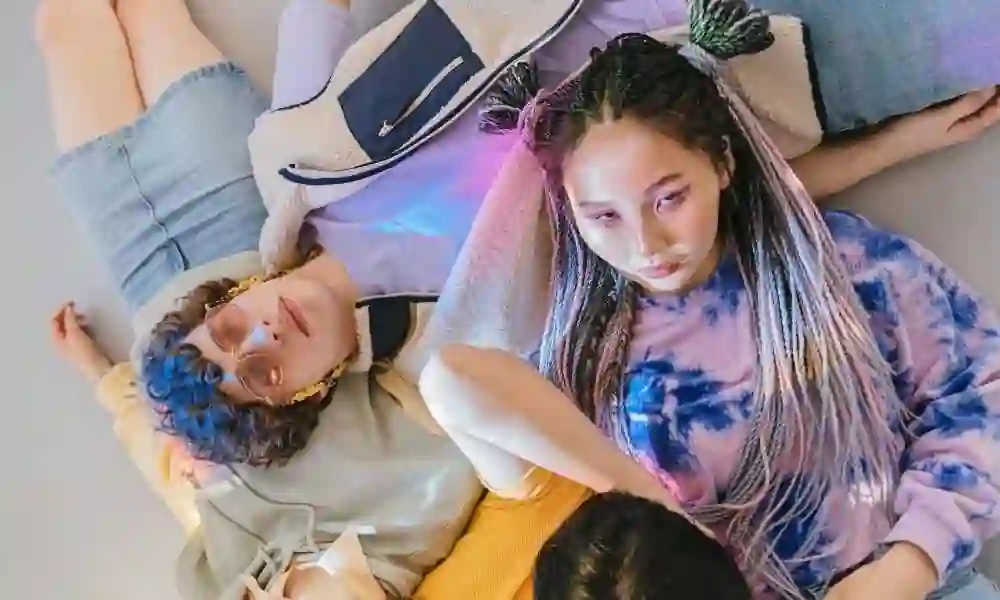
As Generation Z continues to shape the fashion landscape, their influence is likely to transform industry practices and trends in profound ways. Predictions suggest that sustainability will remain at the forefront of Gen Z’s fashion priorities, with an increasing demand for transparency from brands regarding their sourcing, production methods, and environmental impact. This generation’s inclination towards thrift shopping and upcycling is expected to encourage more brands to adopt circular fashion models, where products are designed with their entire lifecycle in mind.
Moreover, the fusion of digital and physical realms in fashion is anticipated to evolve. Augmented reality (AR) and virtual reality (VR) will likely become commonplace in shopping experiences, allowing consumers to virtually try on cute clothes and explore digital fashion shows, further blurring the lines between the virtual and physical worlds. Innovations in technology will also lead to greater customization options, enabling Gen Z to craft unique pieces directly from brands or through digital platforms.
The lasting impact of Generation Z, the younger generation, on the fashion industry encompasses not only changes in how clothes are produced and marketed but also a shift towards inclusive representation. Brands are increasingly embracing diversity in their campaigns, showcasing a wide range of body types, ethnicities, and gender identities. This trend is set to continue, as Gen Z champions authenticity and strives for a more equitable beauty standard in the fashion realm. As they embrace their identities and express their individuality, the fashion industry will need to adapt and respond, paving the way for a future that celebrates personal style, sustainability, and inclusiveness.
Conclusion
Generation Z has redefined the fashion landscape with a distinct focus on authenticity and individuality. Unlike previous generations, they prioritize personal style that transcends trends, favoring pieces that convey their unique narratives and social messages. The resurgence of vintage aesthetics, DIY culture, and the rise of athleisure reflect Gen Z’s desire for comfort and self-expression. Their fashion choices are not merely about aesthetics; they are a form of storytelling that celebrates diversity and challenges traditional norms.
Sustainability and ethical consumption are at the forefront of Gen Z fashion ethos at this moment. This generation is acutely aware of the environmental and social impact of their purchases, leading to a rejection of fast fashion in favor of brands that prioritize transparency and eco-friendly practices. Thrift shopping for items like trousers, upcycling, and supporting independent designers have become popular as young people seek to make responsible fashion choices. Their commitment to sustainable fashion is not just a trend but a core value that influences their buying decisions and encourages the industry to adopt more ethical practices.
As Gen Z continues to shape the fashion industry, their influence is ushering in a new era of inclusivity and innovation. The industry’s increasing embrace of diverse body types, ethnicities, and gender identities in campaigns reflects this generation’s push for a more equitable representation. Moreover, the integration of technology, such as augmented and virtual reality, is transforming shopping experiences and allowing for greater customization. The lasting impact of Gen Z on fashion goes beyond clothing; it marks a cultural shift towards a future where personal style, sustainability, and inclusiveness are celebrated.