A guide to the Top 10 Designer Brands that define luxury fashion through craftsmanship, heritage, and innovation.
Key Takeaways
- Each top designer brand stands out through unique heritage, craftsmanship, and iconic designs.
- Luxury brands like Louis Vuitton and Chanel set global standards for timeless elegance.
- These brands balance tradition with modern innovation to stay relevant across generations.
- Investing in luxury fashion offers long-term value, prestige, and a lasting personal identity.
The luxury fashion market has long been synonymous with elegance, craftsmanship, and exclusivity. This sector not only reflects personal style but also serves as a status symbol, representing the aspirational lifestyles of consumers around the globe. Luxury brands are revered for their premium materials, meticulous attention to detail, and innovative design, which distinguish them from mass-market apparel.
In a world where fast fashion often dominates, the significance of luxury goods lies in their ability to offer timeless designs that transcend trends, fostering a sense of prestige and identity for their owners. Delve into our list of the top 10 designer brands, we explore the essence of what makes these labels iconic within the realm of high fashion, following brands.
Louis Vuitton:

Louis Vuitton, established in 1854, has built a legacy that defines the luxury fashion industry as a leading brand among popular luxury brands. Louis Vuitton known for its iconic monogram and timeless designs, Louis Vuitton is synonymous with high-quality craftsmanship. This commitment to excellence is evident in each meticulously crafted piece, particularly in its renowned handbags that blend utility and style.
Over the years, Louis Vuitton has maintained a strong position in the global market, consistently ranking as one of the most valuable luxury brands. Louis Vuitton continues its innovative approach to design and marketing, along with collaborations with prominent artists and designers, reinforcing its status as a world leader in luxury fashion, appealing to consumers who seek both prestige and artistry in their personal style.
Chanel:
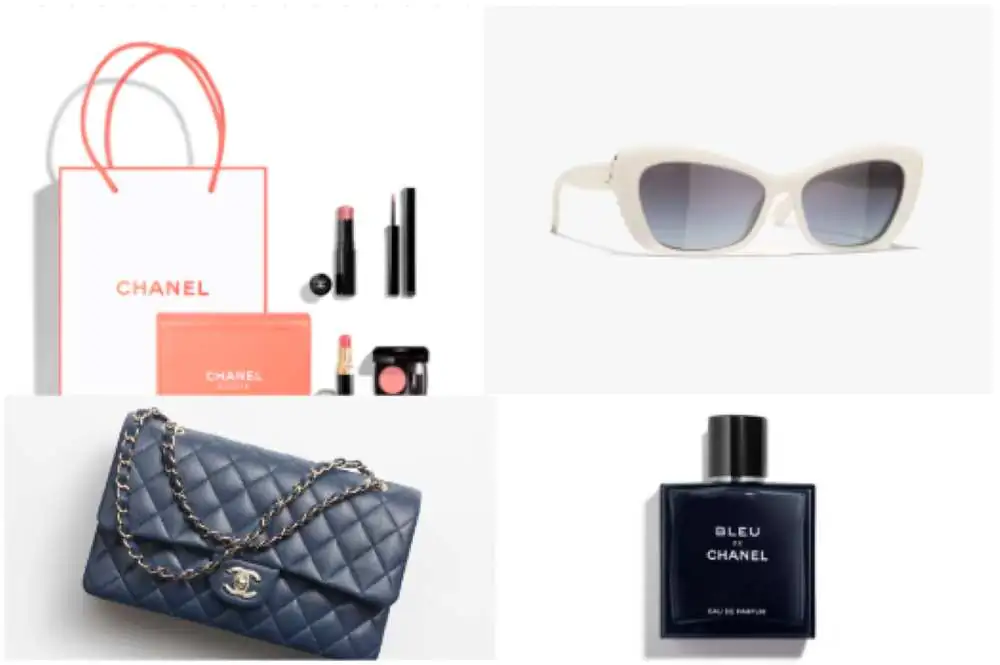
Founded by the legendary Coco Chanel in the early 20th century, the Chanel brand revolutionized women’s fashion with iconic creations like the little black dress and Chanel No. 5 fragrance. As one of the most popular luxury fashion brands, this pioneering spirit broke free from the confines of restrictive garments, promoting a more liberated and sophisticated style for women. Each item reflects the brand’s dedication to impeccable craftsmanship, from luxurious ready-to-wear collections to exquisite jewelry that adorns an elegant clientele.
Chanel’s impact extends beyond fashion, significantly influencing beauty products and championing the notion that a woman’s beauty regimen should be as luxurious and innovative as her wardrobe. Known for its iconic handbags, Chanel remains one of the most popular luxury brands and a paragon of timeless elegance, embodying a legacy of creativity that continues to inspire and shape the world of high fashion.
Christian Dior:
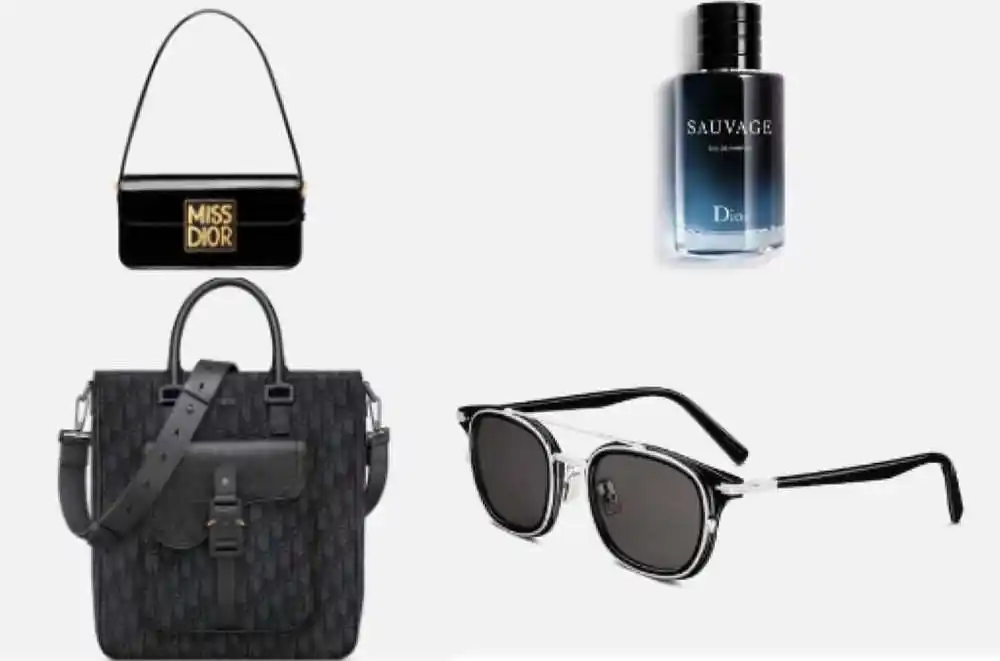
Christian Dior, founded in 1946, quickly became a cornerstone of haute couture, revolutionizing the fashion landscape with the introduction of his iconic “New Look” in 1947. This groundbreaking silhouette featured a cinched waist and a voluminous skirt, redefining women’s fashion by emphasizing femininity and elegance during a time when styles leaned towards austerity. Dior’s dedication to exquisite tailoring and luxurious fabrics solidified the brand’s position as a leader in high fashion.
Over the decades, the Dior brand has been shaped by the vision of its creative directors, including renowned figures like Yves Saint Laurent and John Galliano. These designers have continually pushed the boundaries of fashion, introducing innovative designs that blend tradition with modernity. Their contributions have ensured that the brand remains one of the leading names in the world of fashion, evolving while staying true to its heritage.
Today, Dior, the namesake brand, is synonymous with luxury and sophistication, celebrating the artistry of haute couture while embracing a contemporary edge that resonates with fashion enthusiasts around the globe. The brand’s rich heritage and continued influence on global fashion trends showcase its ability to honor its past while adapting to the ever-changing landscape of style.
Gucci:
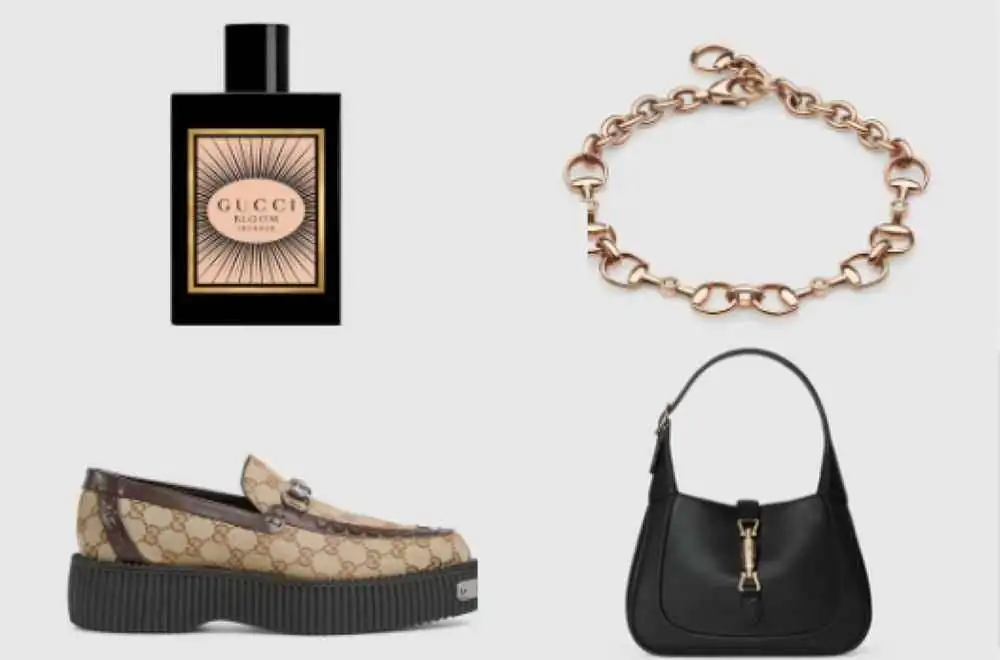
Gucci, founded in 1921, epitomizes the fusion of exquisite Italian craftsmanship with a contemporary aesthetic, establishing itself as a defining force among top luxury brands in the fashion sector. Renowned for its bold designs and eclectic style, the brand has captured the attention of fashion enthusiasts and celebrities alike, effortlessly merging classic elements with modern trends. This distinctive approach has allowed Gucci to stand out in a competitive market.
Under the leadership of innovative fashion designers like Alessandro Michele, Gucci’s creative vision has led to the revival of its iconic motifs, such as the GG logo and the web stripe. These elements not only reinforce the brand’s heritage but also position Gucci as a trendsetter in the industry. The ability to balance nostalgia with contemporary flair is a hallmark of Gucci’s identity.
Gucci’s success in the luxury goods market is evident in its appeal to a diverse clientele, ranging from high-profile influencers to everyday consumers seeking timeless elegance and flair, as well as mainstream brands. This unique combination of Italian craftsmanship, heritage, and innovation ensures that Gucci remains at the forefront of fashion, continually redefining what luxury means in the modern era.
Hermès:

Hermès, established in 1837, is synonymous with luxury and renowned for its exquisite craftsmanship, especially in leather goods and accessories. As a family-owned business, its rich heritage is intricately woven into its brand identity, emphasizing a commitment to traditional artisan techniques passed down through generations. Among its most coveted offerings are the iconic Birkin and Kelly bags, which exemplify the brand’s dedication to quality and sophistication. The allure of these bags lies not only in their impeccable design and craftsmanship but also in their exclusivity, often becoming status symbols in the fashion world.
Each Hermès bag is meticulously handcrafted, requiring hours of skilled labor and the finest materials, ensuring a unique blend of artistry, luxury, and timeless elegance in every piece. As a luxury brand, Hermès’ fine jewelry collections further showcase its commitment to elegance and excellence, solidifying its status as a leader in the high fashion industry.
Saint Laurent:
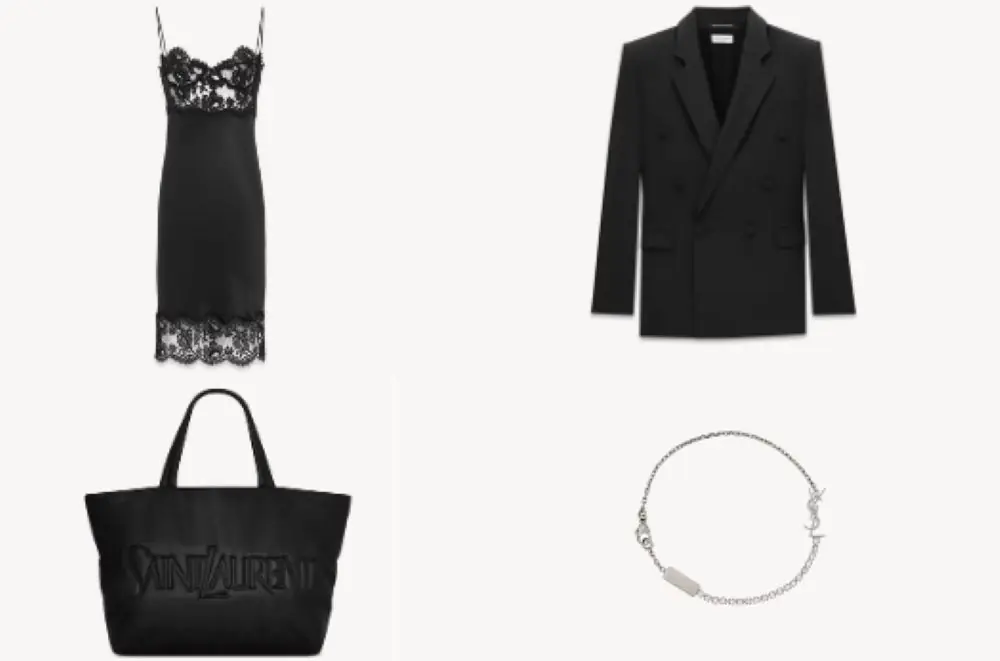
Founded by Yves Saint Laurent in 1961, the fashion house has undergone significant evolution and is now simply known as Saint Laurent, one of the most renowned fashion houses in the world. Despite this transformation, it has maintained its essence of daring innovation and sophistication. The brand is celebrated for revolutionizing women’s fashion, particularly with the introduction of the tuxedo jacket for women, which marked a pivotal moment in the industry.
Saint Laurent seamlessly blends modern edge with timeless classics, creating iconic pieces that exemplify its design philosophy. The infamous black dress and the sleek leather jacket showcase the brand’s ability to juxtapose elegance with an avant-garde spirit, making them staples in fashion history. Each collection reflects a commitment to superior quality and impeccable tailoring, ensuring that every piece resonates with the luxury and craftsmanship synonymous with the name.
Today, Saint Laurent continues to inspire contemporary fashion audiences, celebrating individuality and self-expression through its bold designs, refined silhouettes, and exceptional craftsmanship. The brand remains a powerful force in the fashion world and among fashion houses, embodying a unique blend of tradition and innovation that attracts a diverse clientele.
Burberry:
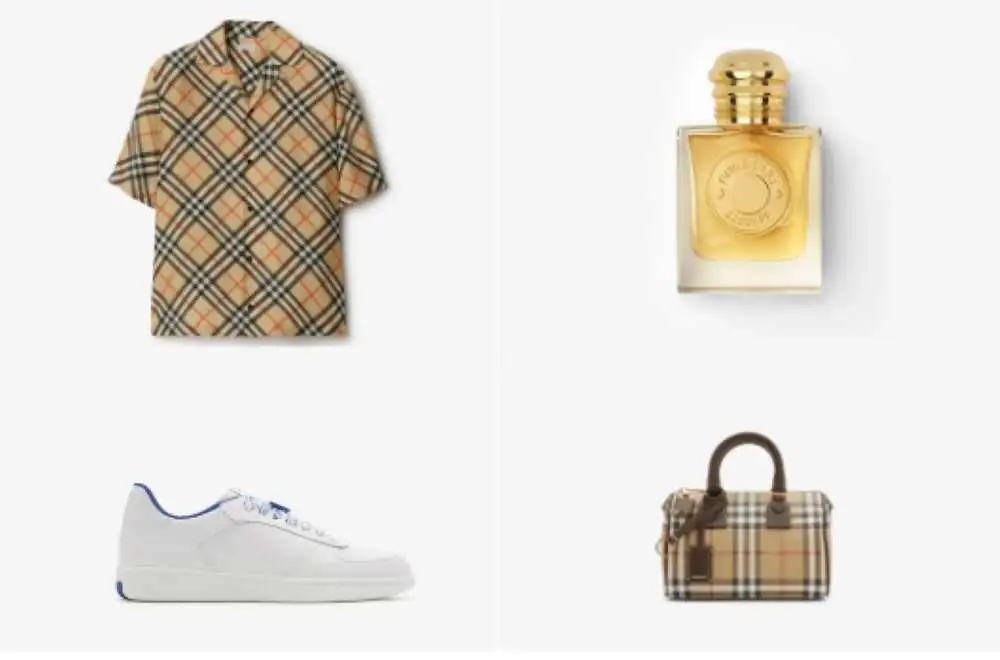
Burberry, founded in 1856, is esteemed as one of the leading brands in the world for its quintessential British style, most notably embodied in its iconic trench coats and other iconic designs. Originally designed for functionality during World War I, these coats have transcended their utilitarian roots to become a symbol of sophistication and timeless fashion. The trench coat’s distinctive silhouette and signature checks have made it a staple of both high fashion and everyday wardrobes, illustrating Burberry’s prowess in merging practicality with elegance through its iconic designs.
As a mainstream brand with a touch of luxury and understated elegance, Burberry has successfully navigated the complexities of the luxury market, appealing to consumers who desire both accessibility and refinement. The brand’s commitment to quality materials, such as gabardine and fine wool, reinforces its reputation, ensuring that each piece is crafted with the finest attention to detail and durability. This dedication to excellence has garnered a loyal following, positioning Burberry not only as a heritage brand but also as a desirable label that continues to resonate with style-conscious individuals worldwide.
Prada:
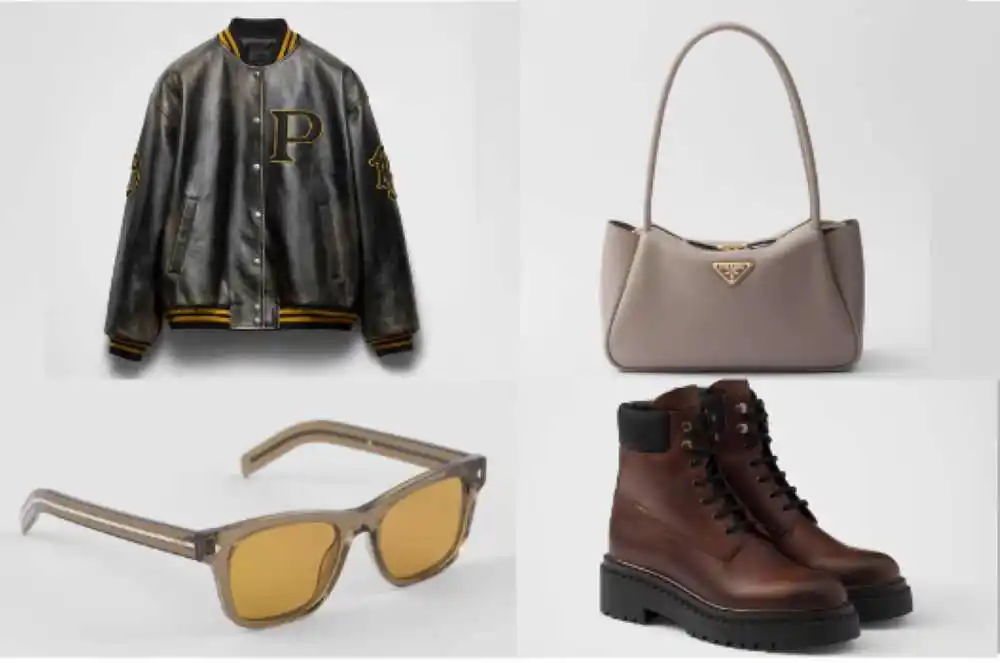
Prada, founded in 1913 as a family business, has established itself as a leading luxury fashion brand, recognized for its sophisticated aesthetic and innovative designs. The brand’s commitment to pushing creative boundaries while using high-quality materials has distinguished it within the industry. This unique approach allows Prada to seamlessly blend tradition with modernity, appealing to a broad audience of fashion enthusiasts.
Prada is particularly renowned for its ability to challenge conventional norms, consistently delivering collections that are not only stylish but also intellectually stimulating, including their exquisite silk scarves. The brand elevates fashion into an art form, encouraging consumers to engage with their pieces on a deeper level. Each collection serves as a reflection of the evolving landscape of fashion, showcasing Prada’s forward-thinking vision.
Beyond clothing, Prada’s influence extends into various realms, including accessories and home décor. This expansion demonstrates the brand’s versatility and unwavering commitment to luxury. Whether it’s a statement handbag or a meticulously designed home item, each piece embodies the ethos of quality craftsmanship and distinctive style that Prada is known for.
This cohesive approach has solidified Prada’s position as a leading luxury brand globally and a trendsetter in the fashion industry. It captivates consumers who appreciate the brand’s ability to marry elegance with an avant-garde edge and push boundaries, ensuring that Prada remains at the forefront of luxury fashion for years to come.
Versace:
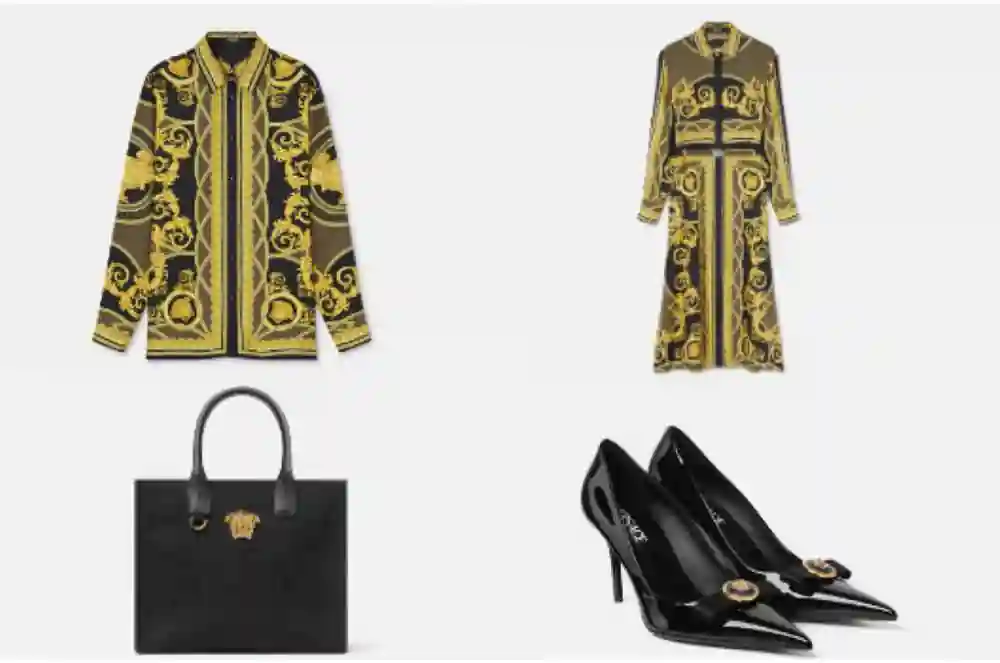
Versace, founded in 1978 by Gianni Versace, is a renowned fashion brand celebrated for its audacious designs and vibrant prints that have become synonymous with luxury brands in the world. The brand’s signature aesthetic is marked by its daring use of colour, intricate patterns, and provocative silhouettes, often embodying a sense of flamboyance and sensuality. This bold approach has made Versace a favourite among affluent customers and celebrities, who seek to make striking fashion statements that stand out on any occasion.
In addition to its captivating designs, Versace is committed to using premium materials that reinforce its status as one of the leading luxury brands in the world. From sumptuous silks to finely crafted leather, every piece is produced with meticulous attention to detail and a focus on luxury craftsmanship. This dedication to excellence not only enhances the aesthetic appeal of the collections but also ensures durability, allowing Versace to remain a prominent player in the fashion industry. The brand continues to set the standard for luxury fashion.
Ralph Lauren:
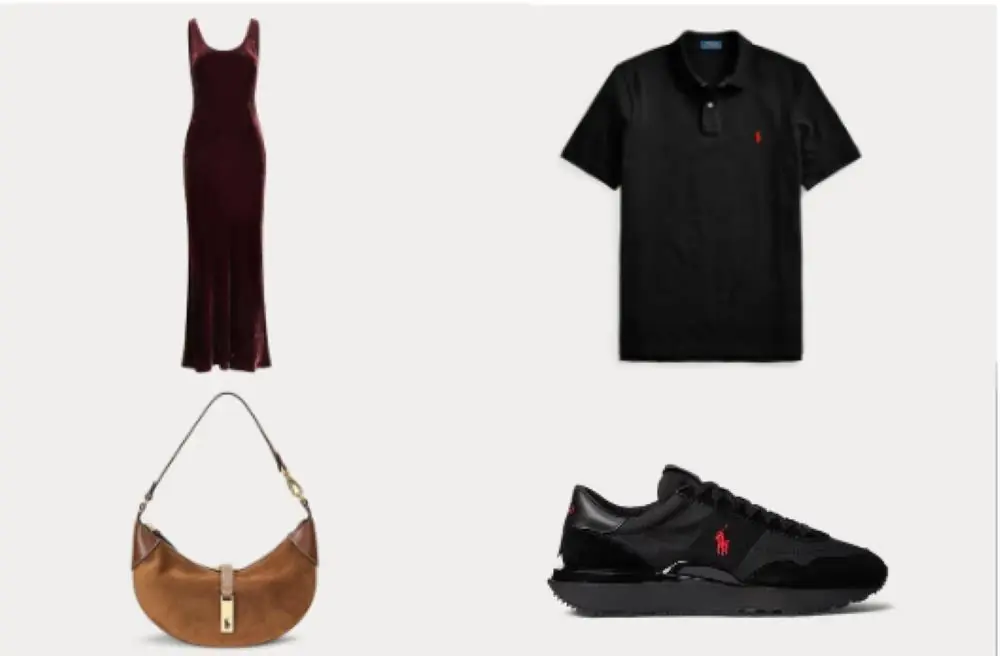
Ralph Lauren, founded in 1967, epitomizes American luxury and sophistication, evolving from its origins in menswear to encompass a vast array of lifestyle products, including home décor. As a renowned fashion house and one of the leading fashion brands, the brand is celebrated for its quintessentially classic designs, capturing the essence of refined elegance while also embracing a relaxed style that resonates across various demographics. Ralph Lauren’s aesthetic often draws inspiration from the grandeur of the American lifestyle, featuring iconic pieces such as polo shirts and tailored suits, which have become wardrobe staples. The brand’s success is further reflected in its impressive sales revenues, solidifying its status among top fashion brands in the fashion industry.
The transition into home décor marked a significant expansion of the brand’s influence within the luxury market, allowing customers to infuse their living spaces with the same timeless allure characteristic of its fashion collections. With a rich history of quality craftsmanship, attention to detail, and a steadfast commitment to a classic American style, Ralph Lauren has positioned itself as one of the major brands in the world, excelling in both fashion and interior design. This fashion house’s ability to marry tradition with contemporary design has not only solidified its status within the luxury sector but also inspired countless consumers to embrace an enduring style that transcends trends.
Emporio Armani:
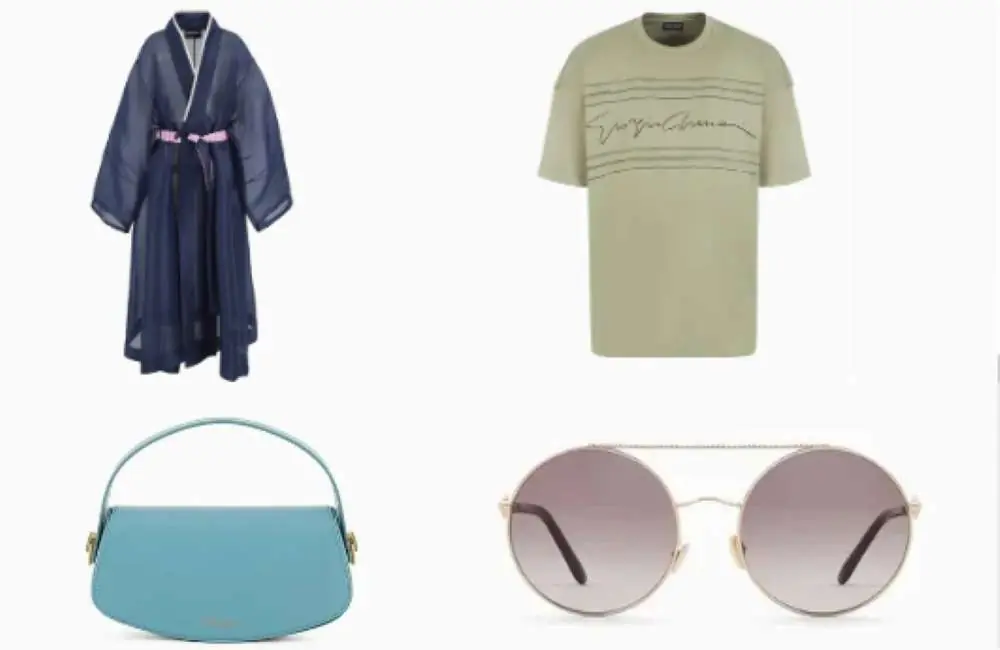
Emporio Armani, launched in 1981 as a diffusion line of the prestigious Giorgio Armani brand, represents a modern and youthful aesthetic within the luxury fashion house landscape. Known for its sleek silhouettes and refined craftsmanship, the brand, under the guidance of its Creative Director, caters to a demographic seeking versatile and stylish pieces that seamlessly transition from day to night. Emporio Armani’s collections often feature a balance of cutting-edge design and classic elements, offering a contemporary take on tailored clothing, casual wear, and accessories.
The brand’s commitment to quality is evident in its meticulous attention to detail, using luxurious fabrics and innovative techniques to create garments that exude sophistication while remaining accessible. As a luxury fashion house, it has effectively positioned itself as a lifestyle choice in fashion design, resonating with fashion-forward individuals who appreciate elegance infused with a modern flair. With a global presence and a keen understanding of contemporary trends, Emporio Armani continues to captivate consumers, solidifying its place as a key player in the luxury fashion market.
Conclusion:
Luxury fashion brands play a crucial role in shaping trends and influencing the luxury goods market. They set the standards for high-quality craftsmanship, innovative designs, and exclusive products that define the luxury sector. Fashion designers, with their visionary creativity, breathe life into exquisite craftsmanship, creating collections that resonate with consumers and elevate the industry as a whole. Choosing a luxury brand that aligns with personal style is essential for making a lasting investment, considering the brand’s heritage, craftsmanship, and the emotional connection it evokes.
Investing in luxury goods not only provides an elevated experience but often comes with long-term value and timeless appeal. The allure of owning pieces from popular luxury brands is rooted in their timeless nature, transcending fleeting trends and offering a sense of prestige and identity to their owners. The impressive sales revenues and continued growth of these fashion houses underscore their enduring influence and desirability in the market.
To recap, top designer brands such as Louis Vuitton, Chanel, Christian Dior, Gucci, Hermès, Saint Laurent, Burberry, Prada, Versace, and Ralph Lauren each bring unique offerings that distinguish them within the luxury fashion landscape. These brands epitomize excellence, creativity, and sophistication. Exploring the world of luxury fashion unveils a treasure trove of exquisite designs and exceptional craftsmanship, inviting you to indulge in the finest that the industry has to offer.