Bigscreen Beyond 2 vs. Apple Vision Pro compared across design, display, performance, and price.
Key Takeaways
- Bigscreen Beyond 2 weighs just 107g, making it the world’s lightest VR headset.
- Apple Vision Pro starts at $3,499 versus the Beyond 2’s more affordable $1,019 starting price.
- Beyond 2 requires a VR-ready PC while Apple Vision Pro runs standalone on M2 chips.
- Beyond 2 suits VR gamers while Apple Vision Pro targets productivity and media professionals.
The world of mixed and virtual reality has evolved at a breakneck pace, bringing immersive technology closer to everyday life than ever before. With advancements in hardware and software, these devices can now transport users to entirely new realms, bridging the gap between the digital and physical worlds. This April, two premium-tier headsets are at the center of attention, promising cutting-edge experiences for VR and MR enthusiasts alike.
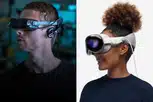
The Bigscreen Beyond 2 arrives as an ultra-light, sleek device engineered to redefine comfort and deliver exceptional visual clarity. On the other side, the Apple Vision Pro delivers an all-in-one solution, blending powerful capabilities with Apple’s signature ecosystem and interface innovation. Both headsets cater to users seeking the very best in performance and design, positioning them as titans in the premium market.
This article delves into the key differences and unique benefits of the Bigscreen Beyond 2 and Apple Vision Pro, offering tech enthusiasts a clear, detailed, and insightful comparison. Whether you’re looking for a sleek, lightweight headset or an expansive, all-inclusive mixed reality platform, this comparison will help you decide which device deserves a spot in your tech lineup.
Design & Weight:
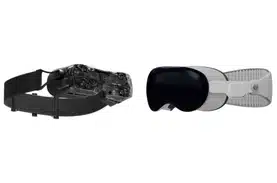
Featherlight vs. Futuristic — These headsets offer distinctly different designs and user experiences, thoughtfully crafted to suit a variety of preferences and needs.
Bigscreen Beyond 2:
- Weight: At just 107g, the Bigscreen Beyond 2 earns the title of the lightest VR headset in the world, providing a featherlight experience.
- Customization: It offers custom-fit options to ensure a personalized and comfortable wearing experience, complete with new vibrant color choices like Crystal Clear and Nuclear Orange.
- Comfort: Specifically designed with long-duration VR sessions in mind, its focus is on maximizing comfort without compromising performance.
Apple Vision Pro:
- Weight: Weighing between 600–650g plus an additional 353g for the external battery, this headset is not intended for extended periods of wear.
- Aesthetic: True to Apple’s signature style, it features premium materials and a sleek, futuristic aesthetic.
- Design: Packed with sophisticated sensors and an integrated battery, the Vision Pro balances technology and elegance, though it sacrifices lightweight wearability for these advanced features.
Verdict:
For those who prioritize marathon VR experiences, the Bigscreen Beyond 2 delivers unmatched comfort and portability. Meanwhile, the Apple Vision Pro feels more like a luxurious showcase of cutting-edge technology, ideal for shorter, immersive sessions.
Display & Optics:
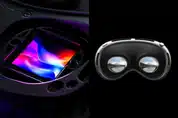
Pixel Punch vs. Precision Panels—both headsets deliver breathtaking visuals designed for different user priorities.
Bigscreen Beyond 2:
- Dual micro-OLED displays: With a stunning combined resolution of 5120×2560, the Beyond 2 delivers an impressive 32 PPD for crystal-clear visuals.
- Visual performance: Runs at a smooth 90Hz refresh rate with a 116° diagonal field of view that enhances immersion.
- Optics: Features next-gen pancake optics, offering edge-to-edge clarity, a huge sweet spot, and minimal lens glare for a seamless VR experience.
Apple Vision Pro:
- Custom micro-OLED technology: With approximately 23 million pixels (~3400×3400 per eye), it displays razor-sharp visuals.
- Refresh rates: Flexible options at 90Hz, 96Hz, and 100Hz cater to various use cases.
- 3D rendering: Apple’s cinematic rendering delivers stunning depth and precision, offering an unparalleled 3D video playback and productivity experience.
Verdict:
Both headsets excel in visual quality, but their strengths cater to different audiences. The Bigscreen Beyond 2 edges ahead in field of view and comfort, making it the go-to choice for immersive VR gaming and extended sessions. On the other hand, the Apple Vision Pro dominates in cinematic 3D video playback and delivers unmatched productivity visuals.
Tracking & Input:
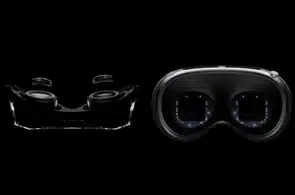
Both headsets bring distinct approaches to tracking and input, reflecting their design philosophies and ecosystems.
Beyond 2:
The Bigscreen Beyond 2 utilizes SteamVR’s 6DOF tracking system, enabling precise movement and interaction in virtual environments. Its adjustable IPD range (53–70mm) ensures a comfortable fit for various users. An optional eye-tracking feature, available on the Beyond 2e, adds an extra layer of precision and functionality. Designed for gamers and social VR enthusiasts, this headset delivers a powerful and immersive experience that is perfect for VR-focused applications.
Apple Vision Pro:
The Apple Vision Pro introduces a seamless combination of eye, hand, and voice-based input methods. Its precision eye-tracking and facial expression capture enhance interaction and personalization. The Vision Pro’s deep integration with the broader Apple ecosystem, including visionOS, creates a harmonious and intuitive user experience across devices.
Verdict:
The Beyond 2 excels in VR-focused setups, making it ideal for dedicated virtual reality gaming and applications. On the other hand, the Apple Vision Pro stands out for its natural interaction methods and seamless ecosystem integration, appealing to users seeking a cohesive and versatile productivity and entertainment platform.
Performance & Hardware:
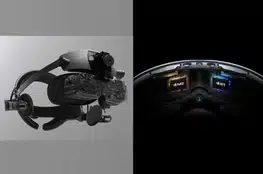
When it comes to performance and hardware, both the Beyond 2 and Apple Vision Pro take different approaches tailored to their target users.
Beyond 2:
- Requires a VR-ready PC with support for AMD or NVIDIA GPUs, making it ideal for users who already own high-performance gaming setups.
- Designed to leverage powerful external computing resources, delivering maximum performance for intensive VR gaming and applications.
Apple Vision Pro:
- Features a cutting-edge M2 and R1 chip combination, allowing it to run efficiently as a standalone device.
- Delivers a seamless spatial computing experience without the need for a PC, catering to users prioritizing convenience and versatility.
Verdict:
For standalone performance and ease of use, the Apple Vision Pro takes the lead. However, for gamers and professionals with powerful PC rigs, the Beyond 2 stands out as the better choice.
Software & Compatibility:

The software and compatibility features of these devices cater to distinct user needs, highlighting their strengths in different domains.
Bigscreen Beyond 2:
- Fully compatible with SteamVR, unlocking a wide selection of VR games and applications.
- Optimized for immersive VR gaming and popular platforms like VRChat and the Bigscreen app, ensuring a rich, social VR experience.
- Developer-friendly APIs for features such as eye-tracking (available on the Beyond 2e), making it an excellent choice for developers looking to innovate within the VR gaming ecosystem.
Apple Vision Pro:
- Runs on visionOS, a powerful operating system designed specifically for spatial computing.
- Offers a dedicated app ecosystem that emphasizes productivity, media consumption, and mixed reality experiences like none other.
- Excels in delivering versatile applications for professionals and media enthusiasts, making it a strong contender for those outside of gaming-first priorities.
Verdict:
Beyond 2 is designed with a VR-focused ecosystem that perfectly meets the needs of both gamers and developers. On the other hand, the Apple Vision Pro focuses on professionals and media lovers, thanks to its robust productivity tools and mixed reality capabilities.
Price & Value:
When it comes to pricing, both the Beyond 2 and Apple Vision Pro target different segments, reflecting their unique capabilities and audience priorities.
Beyond 2:
- Starts at $1019 for the base model, or $1219 if you opt for the advanced eye-tracking feature.
- Offers exceptional value for VR enthusiasts who want cutting-edge immersion without breaking the bank.
- Its modular nature and focus on gaming-centric performance make it a cost-effective choice for developers and gamers alike.
Apple Vision Pro:
- Starts at $3499 for the 256GB model, making it significantly more expensive than the Beyond 2.
- A comprehensive mixed reality (MR) ecosystem designed to elevate productivity, deliver captivating media experiences, and ensure seamless hardware integration.
- Its high price reflects its innovative design, premium build quality, and versatility, particularly for professionals.
Conclusion:
Beyond 2 is an excellent option for those seeking high-end VR immersion at a fraction of the cost of the Vision Pro. Meanwhile, the Apple Vision Pro delivers an all-in-one MR solution for productivity and entertainment, but its steep price may limit its accessibility to a niche audience.
Both the Bigscreen Beyond 2 and the Apple Vision Pro represent the cutting edge of immersive tech, but they serve very different purposes.
You want ultra-lightweight comfort, elite-level VR immersion, and already own (or plan to own) a powerful PC. It’s the ideal headset for serious gamers and social VR enthusiasts who crave long, comfortable sessions without compromise.
You want an all-in-one, standalone mixed reality headset built for seamless productivity, immersive entertainment, and daily digital interaction within the Apple ecosystem—and price isn’t a dealbreaker.
Ultimately, the question isn’t which headset is universally better—it’s which one best suits your reality.